

Authentic Mosaic Restoration & Duplication: A Partner for Historic Preservation Specialists
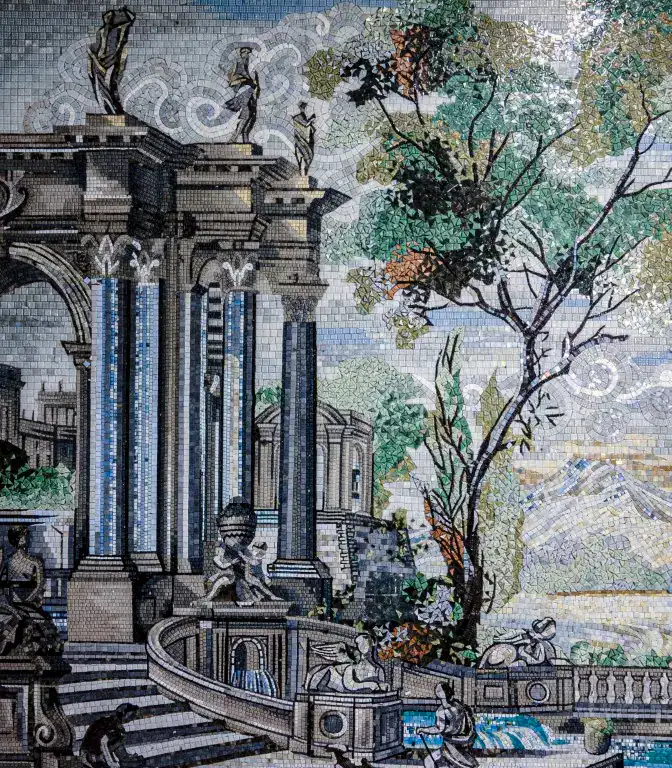
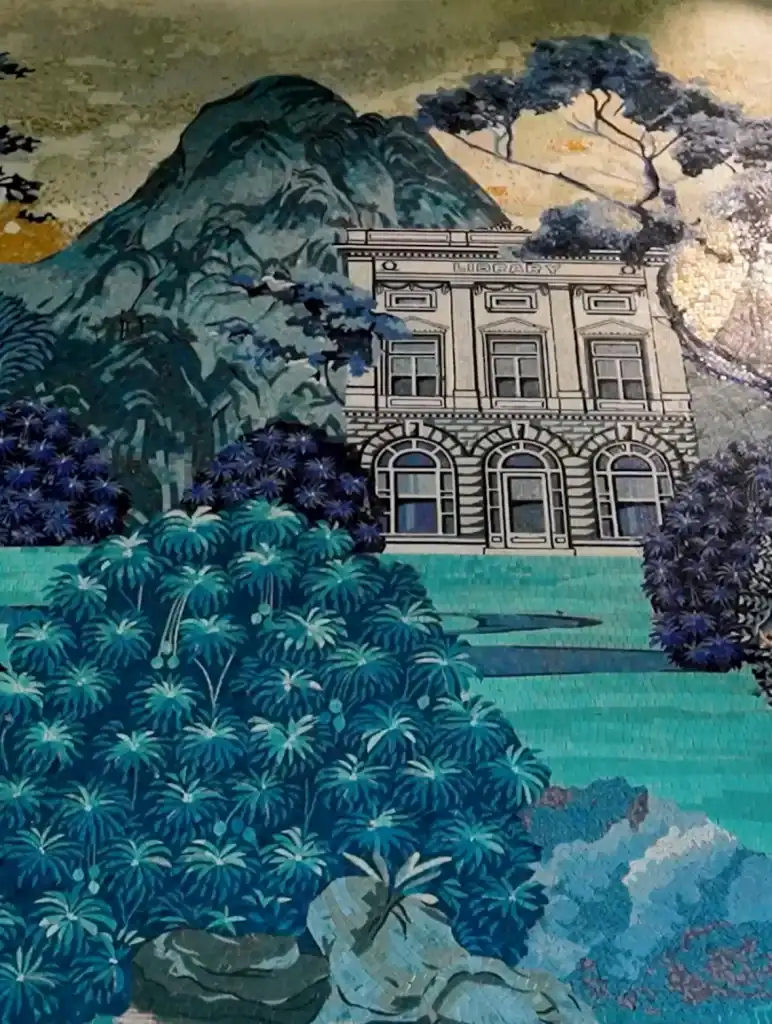
Preserving Architectural Integrity Through Specialist Mosaic Craftsmanship
Preserving historic mosaics requires a careful balance among conservation ethics, technical precision, and artisan craftsmanship. Every restoration project begins with understanding the original fabrication methods, architectural context, material composition, and long-term preservation requirements. At MEC Artworks, we approach restoration with a conservation-first mindset that prioritizes historical authenticity while minimizing unnecessary alteration to the original mosaic surface.
Our restoration process focuses on preserving as much original material as possible while ensuring the mosaic tiles remain structurally and visually consistent with their historic character. This includes detailed material and pattern analysis, conservation-focused restoration methodologies, and restoration strategies aligned with established preservation standards. We also collaborate closely with restoration architects, historical societies, conservators, and preservation consultants throughout the project to ensure technical accuracy.
Technical Mosaic Restoration for Heritage Environments & Historic Landmarks
Historic environments require specialized restoration strategies based on their architectural function, environmental exposure, and cultural significance. At MEC Artworks, we adapt our restoration methods to suit the unique demands of each heritage setting while preserving the original architectural identity and craftsmanship of the mosaic installation.
Civic and institutional spaces often contain large-scale mosaic flooring, domes, and decorative architectural surfaces that require careful conservation. We restore these environments while preserving their formal and historic character.
- Restoration of monumental civic interiors.
- Preservation of decorative heritage flooring.
- Coordination with institutional restoration teams.
Sacred spaces often include highly intricate iconography, gold leaf mosaics, and hand-crafted vaults that require delicate restoration techniques. We preserve the visual and spiritual integrity of these environments through historically sensitive craftsmanship.
- Conservation of sacred iconography and detailing.
- Restoration of gold leaf and smalti mosaics.
- Careful handling of fragile heritage surfaces.
Historic residences and estates frequently contain decorative walls, botanical murals, and handcrafted feature installations that reflect the artistry of a specific era. We restore these surfaces while maintaining their architectural authenticity.
- Restoration of heritage marble flooring.
- Recreation of botanical and decorative wall murals.
- Preservation of estate-specific architectural character.
Museums and cultural landmarks often require restoration approaches that prioritize historical accuracy, material preservation, and long-term conservation stability. We restore mosaic surfaces, decorative installations, and heritage artworks while carefully protecting their cultural and architectural significance.
- Restoration of historically significant mosaic artworks.
- Preservation-focused material conservation techniques.
- Coordination with the museum and cultural preservation teams.
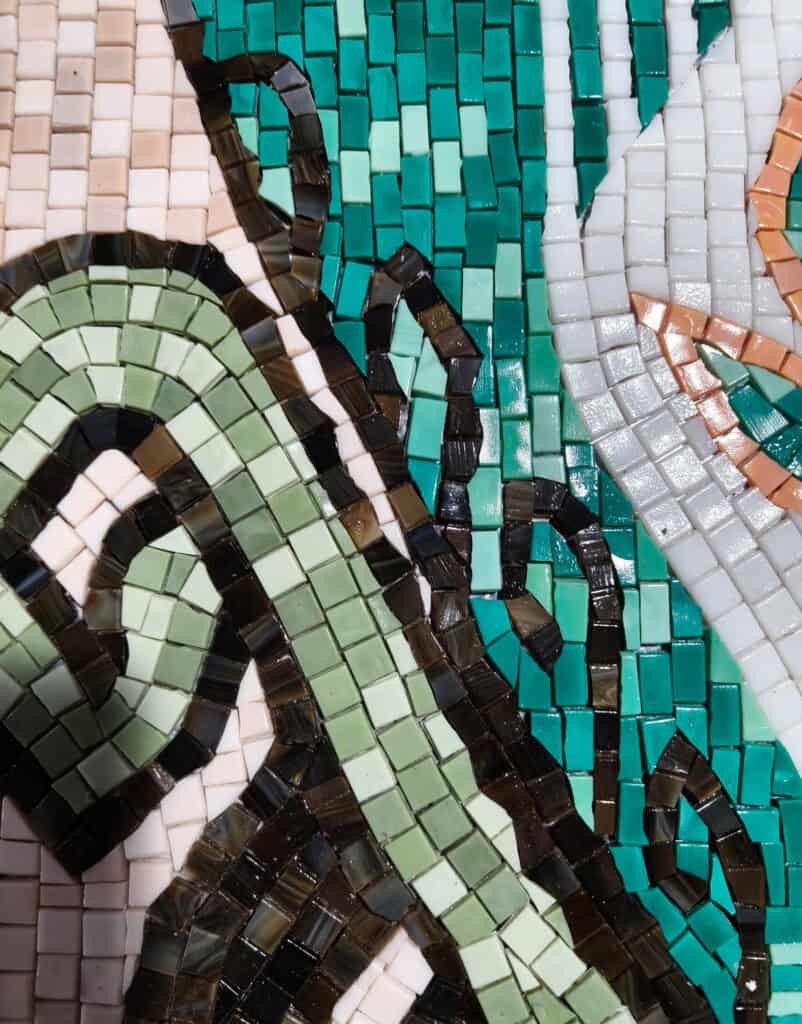
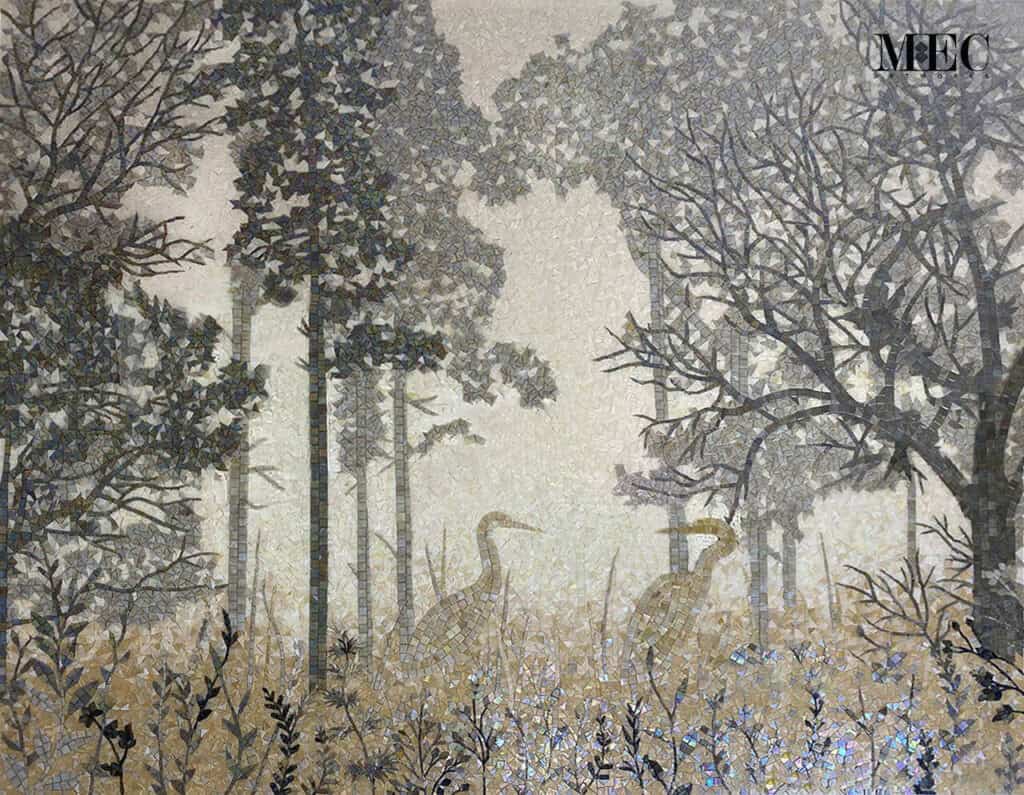
The Historic Mosaic Replication Process: Honoring Original Artisan Techniques
Accurate documentation is essential before restoration or duplication begins. We digitally map surviving mosaic sections to study geometry, material transitions, andamento flow, and pattern composition. This process allows precise reconstruction while preserving the visual language of the original installation.
Historic mosaics naturally develop tonal depth and patina over time. We carefully blend smalti glass, marble, and natural stone variations to recreate aged color continuity, reduce visual contrast, and preserve the richness and texture of the original mosaic surface.
Restoration work should feel visually unified rather than visibly separated from the historic installation. We fabricate restoration sections that integrate naturally with surrounding tesserae through precise alignment, careful material transitions, and continuity-focused detailing.
Historic mosaics often contain directional movement and handcrafted rhythm that modern fabrication cannot easily replicate. We carefully study and recreate traditional andamento techniques to preserve the organic flow, visual balance, and artisan character of the original composition.
Over time, historic mosaics develop softened edges, surface variation, and material wear that contribute to their authenticity. We replicate these subtle characteristics to ensure restored sections feel architecturally and visually consistent with the surrounding historic surface.
Why Preservationists Specify MEC Artworks for Mosaic Restoration
Byzantine & Neoclassical Expertise
Our restoration experience spans Byzantine, Roman, Neoclassical, and other historic mosaic traditions. We study original fabrication methods, material composition, and artisan techniques to ensure restorations remain visually and historically aligned with the architectural heritage of the installation.
Documentation & Quality Control
Historic mosaic restoration requires detailed documentation and continuous quality oversight throughout every phase of the project. We maintain structured material records, restoration tracking, and careful inspection processes to ensure accuracy, consistency, and preservation integrity.
Large Scale Conservation Planning
Large architectural restoration projects often involve phased execution, logistical coordination, and precise fabrication management. We develop structured restoration workflows that maintain consistent craftsmanship across extensive heritage surfaces and complex landmark environments.
Material Compatibility Analysis
Historic mosaics often contain aging materials with unique structural and environmental conditions. We carefully analyze material compatibility to ensure new restoration sections integrate safely and cohesively with the existing historic surface without compromising long-term stability.
Mosaic Restoration & Duplication Case Studies: Featured Preservation Portfolio
Project Challenge
A Texas kitchen required a custom backsplash that went beyond a standard floral mosaic. The client admired the existing “Oksa” cherry blossom design but wanted a more personalized composition inspired by fine china. The challenge was to introduce new colors, butterflies, and subtle details while maintaining visual balance and cohesion within the kitchen space. The design also needed to function as a durable, everyday backsplash without losing its artistic clarity over time.
Design & Material Selection Process
The project began with references provided by the client and designer, including fine china patterns that guided the color palette. While the original Oksa design served as a base, it was reworked to include additional tones such as greens, yellows, and pinks alongside the existing blues.
Design refinements included adjusting flower colors, integrating butterflies, and adding a subtle caterpillar element. Multiple iterations and sample reviews ensured accurate color matching and overall harmony. The final palette maintained a clean white background to highlight the added details while keeping the design cohesive and balanced.
Fabrication Strategy
Each glass tessera was carefully selected and placed to create a seamless flow of branches, blossoms, and decorative elements. The handcrafted approach allowed precise control over color transitions and detailing, especially for the butterflies and smaller features.
Special attention was given to maintaining consistency across the design while preserving its organic feel. The mosaic was assembled as a continuous composition rather than relying on repetitive patterns, ensuring a unique and visually engaging backsplash.
Installation Coordination
The mosaic was prepared in installation-ready sections to simplify on-site placement. Layout planning ensured that the design aligned accurately with the kitchen dimensions, cabinetry, and focal areas such as the sink wall.
3D renderings were used before fabrication to visualize the final installation, helping refine placement and proportions. This reduced the need for adjustments on-site and ensured a smooth installation process.
Project Outcome
The final mosaic backsplash transformed the kitchen into a personalized, artistic space. The combination of cherry blossoms, butterflies, and a refined color palette created a visually rich surface that reflects the client’s personality and inspiration.
The project demonstrates how a standard mosaic concept can be reimagined into a bespoke design. It functions not only as a practical backsplash but also as a statement feature, blending craftsmanship, storytelling, and long-term performance into a single installation.
Preserving Architectural Integrity Through Bespoke Mosaic Craftsmanship
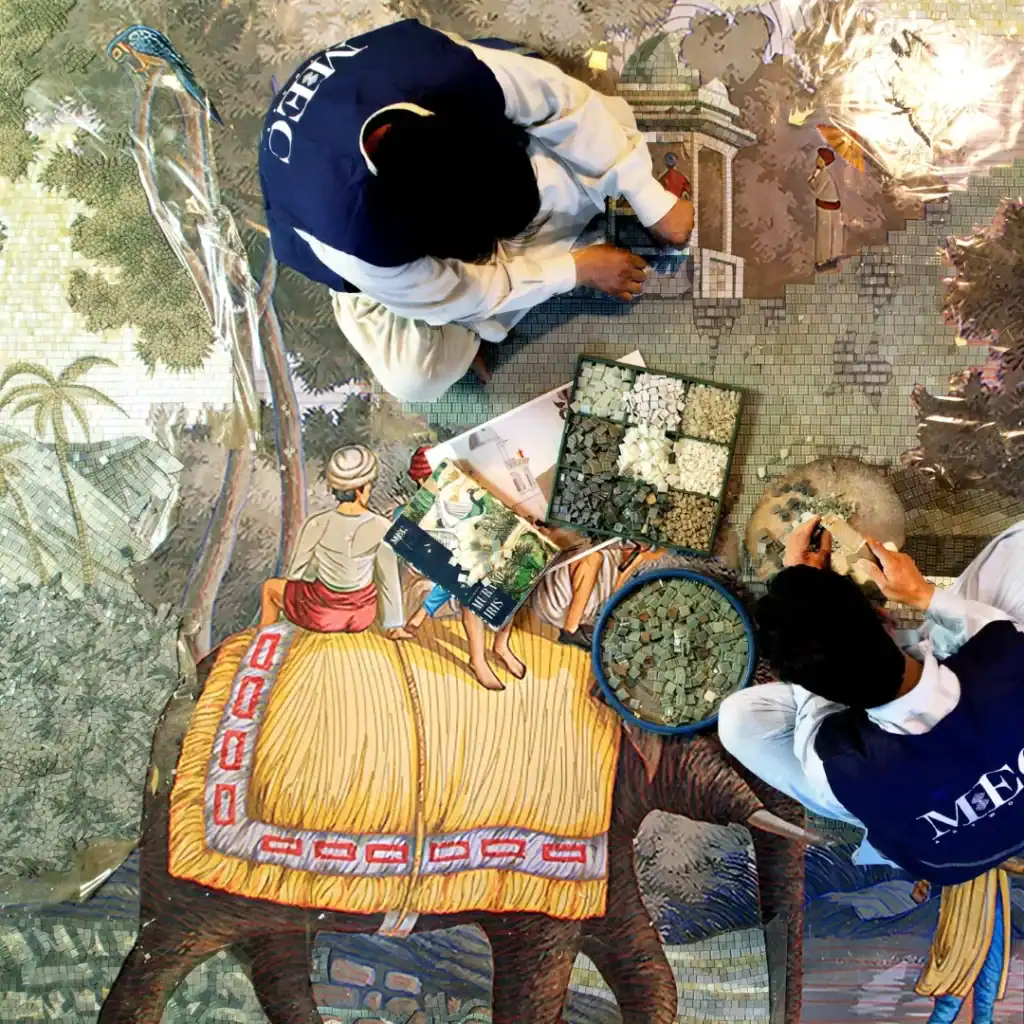
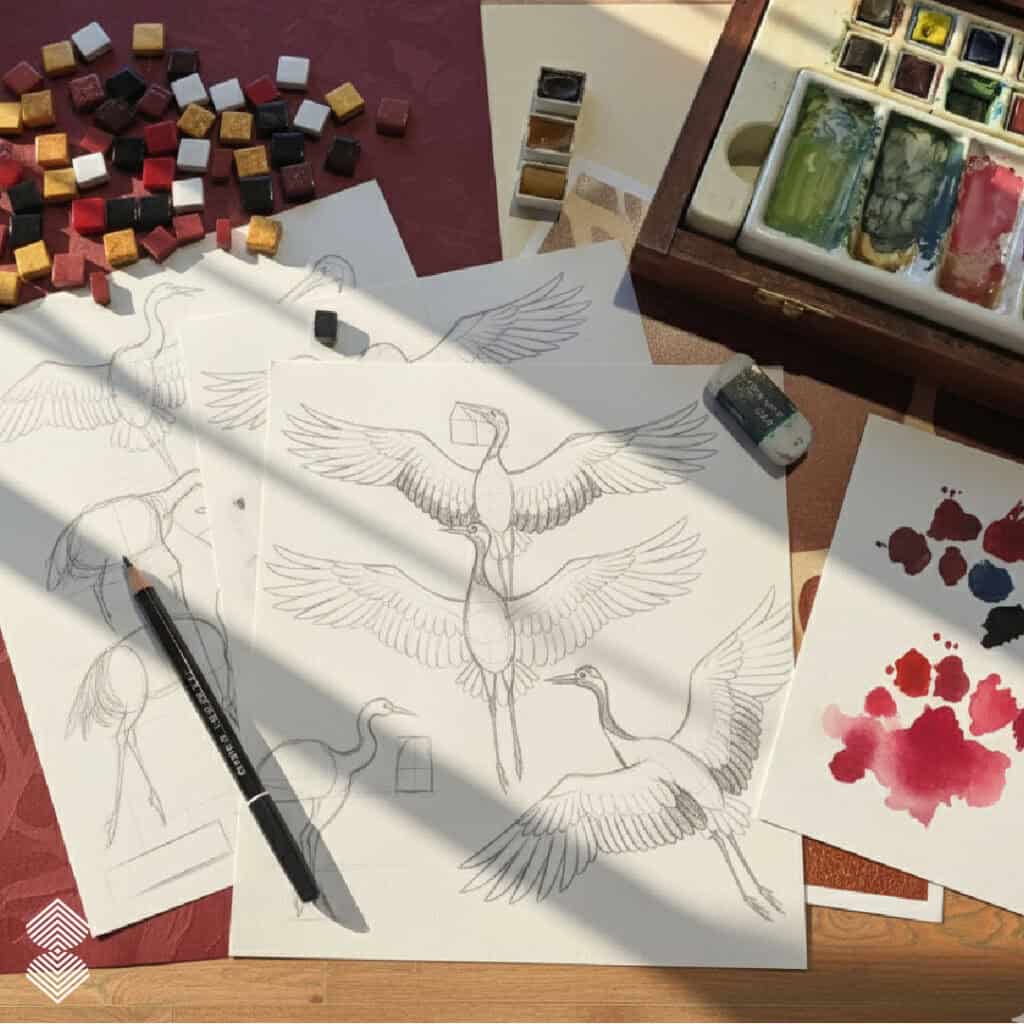
Historic preservation requires a careful balance between conservation ethics, technical precision, and artisan craftsmanship. Every mosaic tile restoration project begins with understanding the original fabrication methods, architectural context, and long-term preservation requirements before any intervention takes place.
- Adherence to Conservation Standards & Ethics: We follow a conservation-first approach that prioritizes historical authenticity, minimal alteration, and preservation of original mosaic materials whenever possible.
- Collaborative Consultation with Preservation Specialists: We work closely with architects, conservators, historical societies, and restoration consultants to ensure technical accuracy, material compatibility, and historically sensitive restoration planning.
Historic Mosaic Material Preservation & Sourcing
Material authenticity plays a critical role in successful restoration. At MEC Artworks, we carefully select materials based on historic compatibility, visual continuity, and long-term conservation performance.
- Traditional Smalti Glass for Historic Depth: Hand-cut smalti glass mosaic provides rich color variation and reflective depth often found in Byzantine and ecclesiastical mosaics. Ideal for sacred spaces, domes, and heritage wall surfaces.
- Natural Marble & Limestone for Architectural Authenticity: Historic stone mosaics are recreated using carefully selected marble and limestone that align with the original installation’s texture, tone, and finish.
- Gold Leaf & Metallic Tesserae for Sacred Restoration: Gold and metallic elements restore luminosity within religious vaults, iconography, and decorative focal points while preserving traditional visual richness.
FAQ’s
How do you ensure new materials match the patina of aged historic mosaics?
We carefully study the original materials, surface wear, tonal variation, and environmental aging before selecting or blending replacement materials. Custom smalti glass mosaic tiles and marble or stone combinations are developed to reduce visual contrast and create continuity between restored and original sections.
Can MEC Artworks recreate specific hand-cut techniques used in 19th-century installations?
Yes. Our fabrication process includes traditional hand-cut methods inspired by historic mosaic craftsmanship, including andamento flow, irregular tessera shaping, and artisan placement techniques commonly found in heritage installations.
Do you provide documentation and material analysis for preservation archives?
Yes. We provide restoration documentation, layout mapping, material references, and fabrication records to support preservation archives, conservation reporting, and future restoration planning.
How are restoration sections prepared to ensure a seamless bond with original sections?
Each restoration section is carefully mapped and fabricated to align with the surrounding historic surface. Substrate preparation, tessera placement, and bonding systems are selected to create stable integration while preserving the integrity of the original installation.
Is MEC Artworks capable of working within strict Secretary of the Interior or equivalent local standards?
Yes. We approach restoration projects with a conservation-first methodology and adapt our workflow to align with project-specific preservation standards, regulatory requirements, and conservation guidelines where applicable.