

The Ultimate Guide to Waterproofing Mosaic Tile Installations
Ready to protect your mosaic tiles for the long term? Waterproofing is the foundation of any successful mosaic installation, ensuring both durability and structural integrity. Before installation, always test your waterproofing system on a small section to confirm compatibility with adhesives and materials; it’s the fastest way to prevent costly failures.
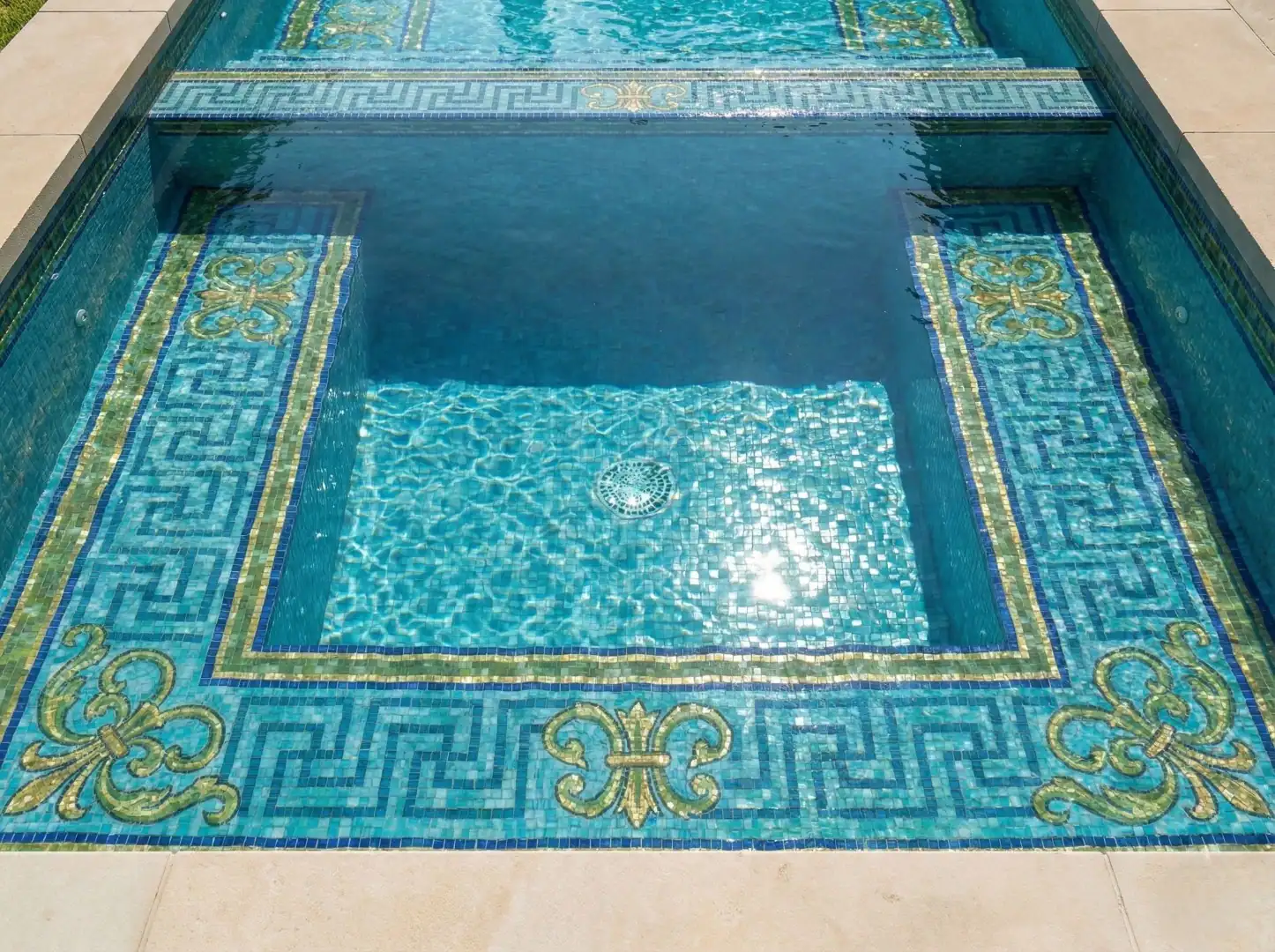
Why Waterproofing Mosaic Tile Installations is Essential for Long-Term Durability
Waterproofing isn’t optional; it directly impacts:
- Structural integrity of the substrate
- Prevention of moisture infiltration and damage
- Long-term grout and adhesive performance
- Resistance to efflorescence and staining
- Protection against mold and bacterial growth
- Durability in high-moisture and wet environments
The right waterproofing system ensures your mosaic remains both visually refined and structurally sound over time.
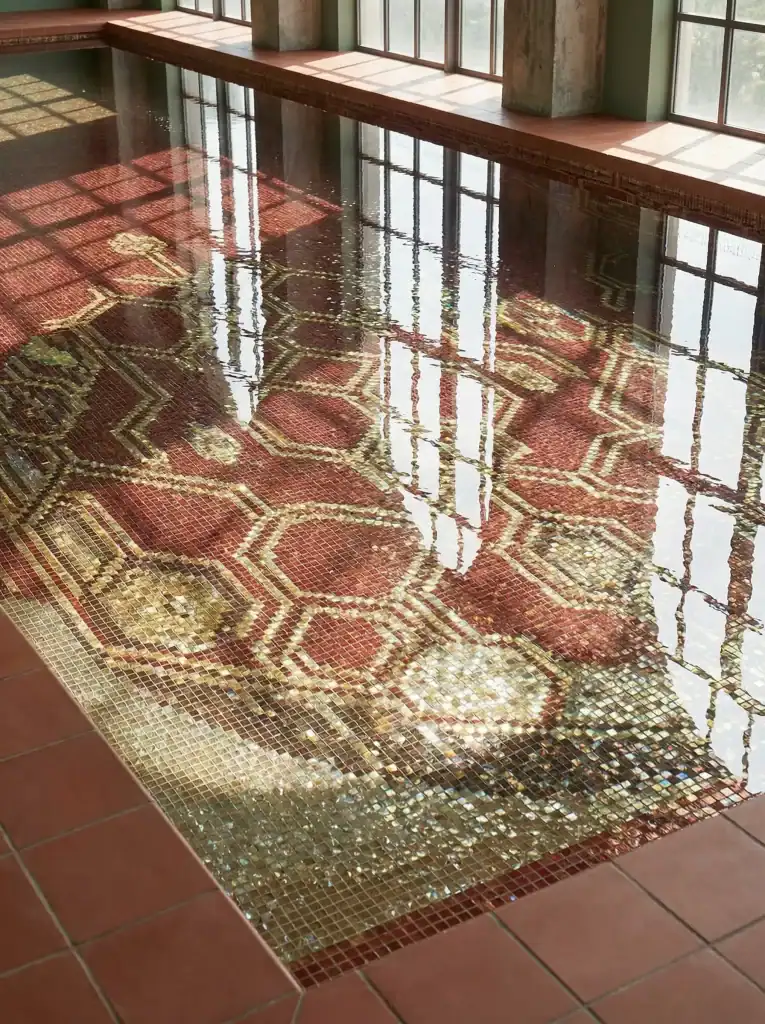
Choosing the Best Waterproofing Membrane for Mosaic Tile Installations
Liquid-Applied Membranes: The Seamless Solution for Curves
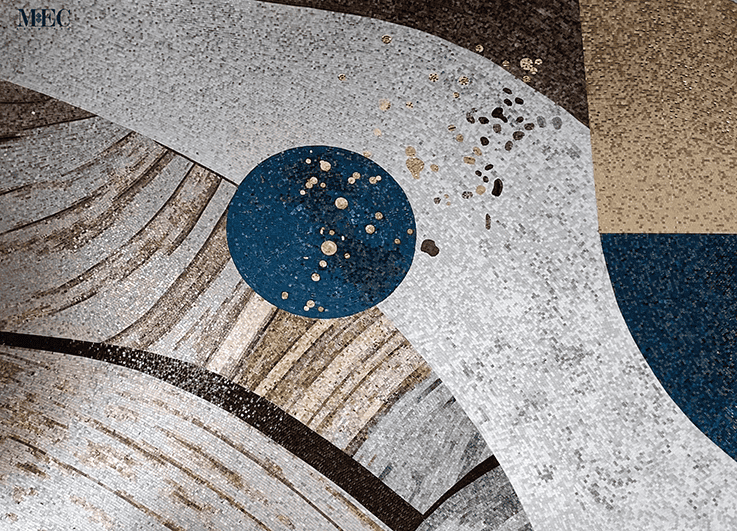
Liquid-applied membranes create a continuous, seamless barrier that adapts easily to complex shapes and curved surfaces. They are ideal for:
- Pools and water features with organic designs
- Showers and wet rooms
- Intricate mosaic murals
- Areas with multiple joints and penetrations
Their flexibility allows them to bridge minor cracks and ensure consistent coverage without seams.
Sheet Membranes: High-Durability Barriers for Large Surfaces
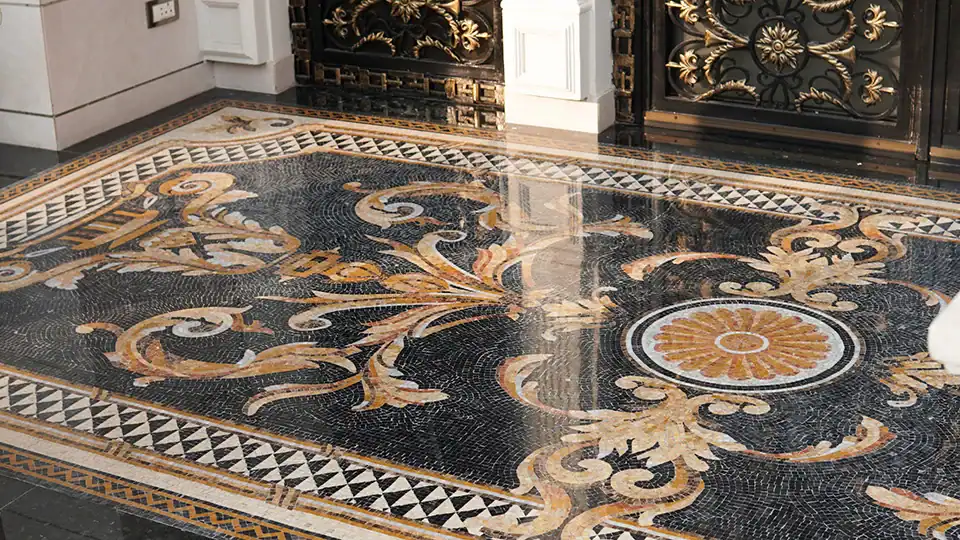
Sheet membranes provide a pre-formed, uniform waterproof layer with consistent thickness. They are commonly used for:
- Large flat surfaces
- Commercial flooring installations
- Facades and exterior walls
- Projects requiring strict thickness control
When installed correctly, sheet membranes offer excellent durability and long-term reliability, especially in large-scale applications.
Liquid vs. Sheet Membranes: Waterproofing Solutions for Mosaic Tile Projects
Understanding the differences helps in selecting the right system:
- Liquid membranes: Seamless, flexible, ideal for curves and complex designs, but require careful application for consistent thickness.
- Sheet membranes: Uniform thickness and high durability, but involve seams that must be properly sealed.
- Installation: Liquid systems are easier for intricate areas; sheet systems require precision cutting and alignment.
- Durability: Both perform well when installed correctly, but sheet membranes often provide higher consistency across large surfaces.
- Application fit: Liquid membranes suit artistic and irregular mosaics, while sheet membranes are better for structured, large-scale layouts.
Both systems are effective when matched correctly to project conditions and installation requirements.

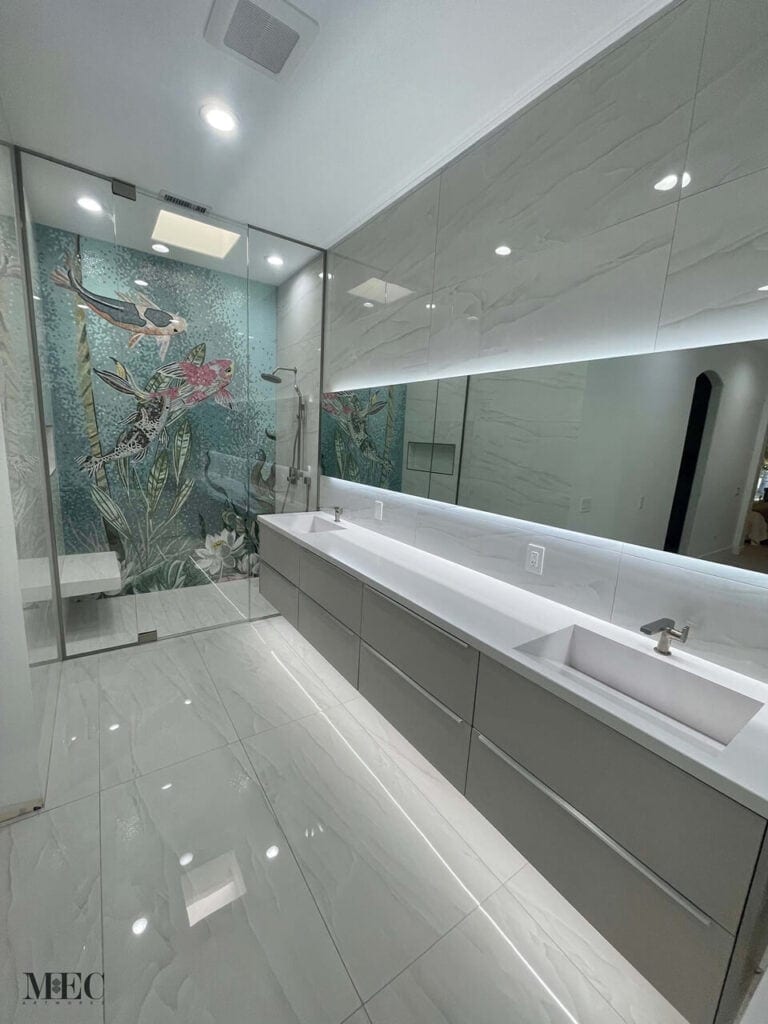
Mosaic Tile Waterproofing Requirements for Pools, Showers, & Other Wet Areas
Different environments require tailored waterproofing strategies to ensure long-term performance.
- Swimming Pool and Spa Waterproofing Standards: High-performance systems designed to withstand constant water exposure, chemical treatment, and pressure variations.
- Vapor Barriers for Steam Rooms and High-Humidity Zones: Essential barriers that prevent moisture penetration and manage vapor pressure in enclosed humid environments.
- Exterior Mosaic Waterproofing for Facades and Fountains: Durable waterproofing solutions built to resist rain, UV exposure, and temperature fluctuations in outdoor mosaic conditions.
Waterproofing systems for facades and fountains are designed to handle expansion, contraction, and environmental stress while maintaining adhesion and integrity.
FAQ’s
What is the best waterproofing for mosaic tile in a pool?
High-performance liquid-applied or sheet membranes designed for submerged conditions are recommended. The choice depends on design complexity and substrate conditions. For curved or intricate mosaic designs, liquid membranes offer seamless coverage, while sheet membranes are preferred for large, flat areas with controlled thickness.
Do I need a waterproof membrane behind a bathroom mosaic?
Yes. Waterproof membranes are essential in wet areas like showers to prevent moisture from reaching the substrate and causing damage. Without proper waterproofing, water can lead to mold growth, adhesive failure, and long-term structural issues behind the tile surface.
How do you prevent efflorescence on mosaic grout?
Proper waterproofing minimizes water movement beneath the surface, which is the primary cause of efflorescence. Good drainage, correct substrate preparation, and the use of high-quality materials also help reduce the risk of salt deposits appearing on grout lines over time.
Can you install glass mosaic directly on waterproofing?
Yes, but only if the waterproofing system is compatible with the adhesive and mosaic material. Proper system selection is critical to ensure strong bonding and long-term performance, especially in wet or submerged environments where adhesion failure can occur.
How long should waterproofing cure before tiling a mosaic?
Cure times vary by product, but typically range from 24 to 72 hours. Environmental conditions such as temperature and humidity can also affect curing time, so it’s important to follow manufacturer guidelines to ensure the membrane is fully set before tile installation begins.
─ START YOUR PROJECT
Ready to Begin Your Masterpiece?
Beyond the initial design, we ensure that every technical detail—from structural integrity to moisture protection—is handled with uncompromising precision. Let’s discuss how we can bring your specific vision to life with an installation built to last a lifetime.