
The Ultimate Grout Guide for Mosaic Installations
Ready to make your mosaic shine? Choosing the right grout is key to both the look and durability of your project. Before you commit, always test grout on a small section to see how it blends with your tiles, it’s the fastest way to avoid surprises.

Why Grout Choice Matters for Mosaic Tile Installations
Grout isn’t just filler—it affects:
- Mosaic tile durability & moisture resistance
- Color contrast or harmony with your tiles
- Ease of cleaning & long-term performance
- Resistance to mold and stains
The right choice ensures your mosaic stays beautiful and functional for years.

Types of Grout for Mosaic Tile Projects
Epoxy Grout for Mosaic Tiles
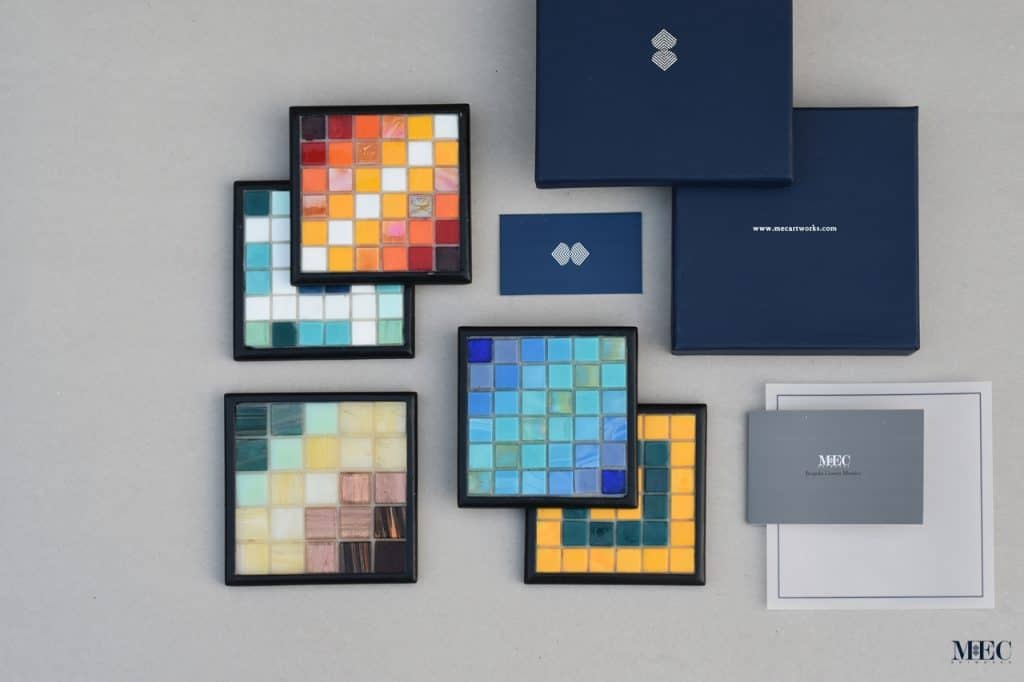
Highly resistant to water, stains, and chemicals. Perfect for wet areas, pools, kitchens, and showers. Harder to work with than cement-based grout, but the results are long-lasting and vibrant.
Recommended Options:
- Mapei Kerapoxy Easy Design 700 (Translucent) – Ideal for glass mosaics, lets colors shine, mold-resistant, easy to clean.
- Mapei 170 Kerapoxy – Strong, durable, chemical- and water-resistant grout, excellent for high-performance areas.
Tip: Epoxy grout resists yellowing and stays beautiful in high-moisture zones.
Cement-Based Grout for Mosaic Tiles

A classic choice that’s easier to work with and cost-effective.
- Unsanded: Best for narrow joints (<1/8″) and delicate tiles like glass or polished stone.
- Sanded: Stronger, ideal for wider joints (≥1/8″) and floor installations.
Cement grout can be sealed to protect against moisture and stains.
Choosing the Right Grout Color
Match the tile: Creates a seamless, unified look.
Contrast: Highlights patterns and shapes in your mosaic.
Translucent: Perfect for glass mosaics—lets light and color shine through.
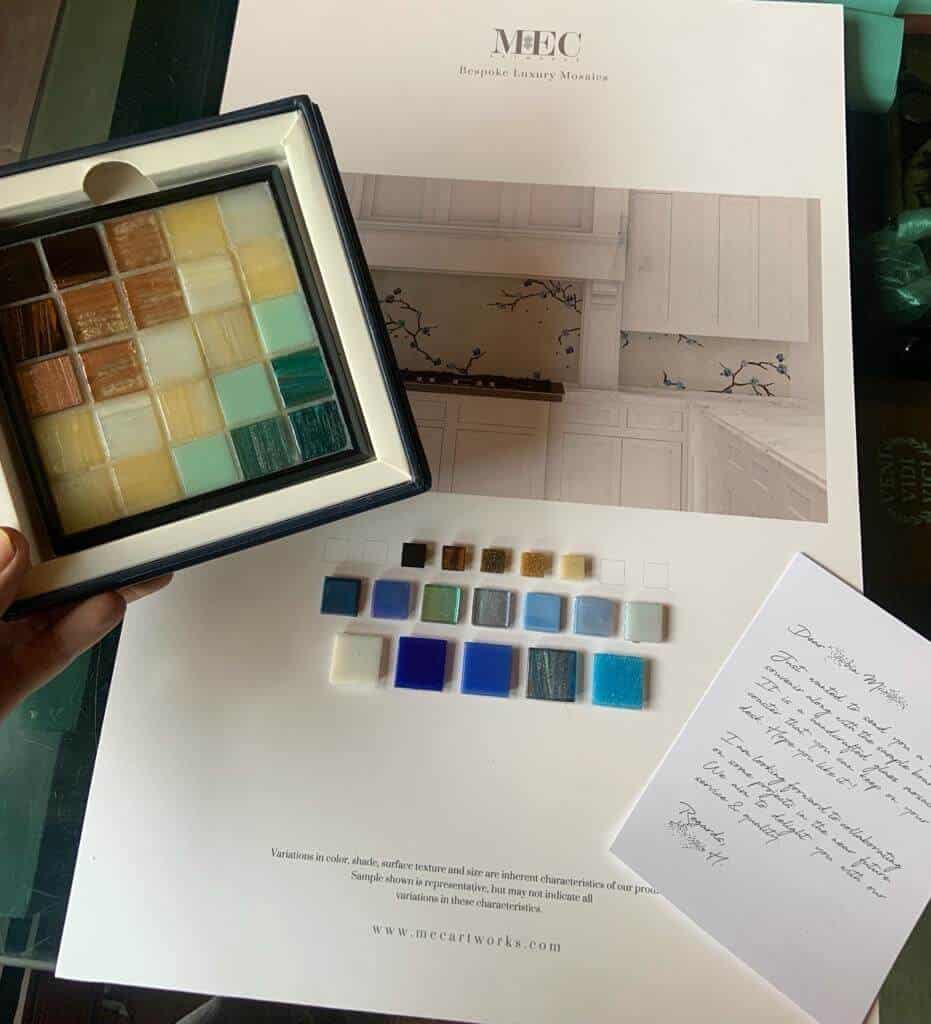
Pro Tip: Sprinkle a small amount of grout on your tiles to preview the effect before full application.

Mosaic Grout Application Tips for Long-Lasting Results
Test first: Apply a small section to check color and texture.
Mix carefully: Epoxy and cement grouts require different preparation.
Clean as you go: Remove excess grout before it dries.
Seal if needed: Cement-based grout benefits from sealing; epoxy usually doesn’t.
FAQs
Should I always use epoxy grout?
Only where high moisture or chemical resistance is needed. Cement grout works well for many indoor projects and is easier to handle.
What grout works best for glass mosaics?
Unsanded or epoxy grout to avoid scratching delicate tiles. Epoxy grout is particularly recommended for its durability and clarity.
How do I pick a grout color?
Match for a subtle look, contrast to highlight patterns, or use translucent for glass mosaics.
Does grout need sealing?
Cement-based grout should be sealed to protect against stains and moisture. Epoxy grout is non-porous and usually doesn’t need sealing.