

The Art of Hand-Cut Mosaic: Why Precision Matters
Handcrafted Mosaics vs Machine-Made Mosaics: Craftsmanship Differences
The difference is undeniable, even if you can’t quite name it at first glance.
Machine-made mosaic tiles (pixilated mosaic) prioritize speed, uniformity, and rigid repetition. Each tile sits obediently in its grid. The result? A surface that appears flat, static, and predictable. “Perfect” up close, but lifeless from across the room.
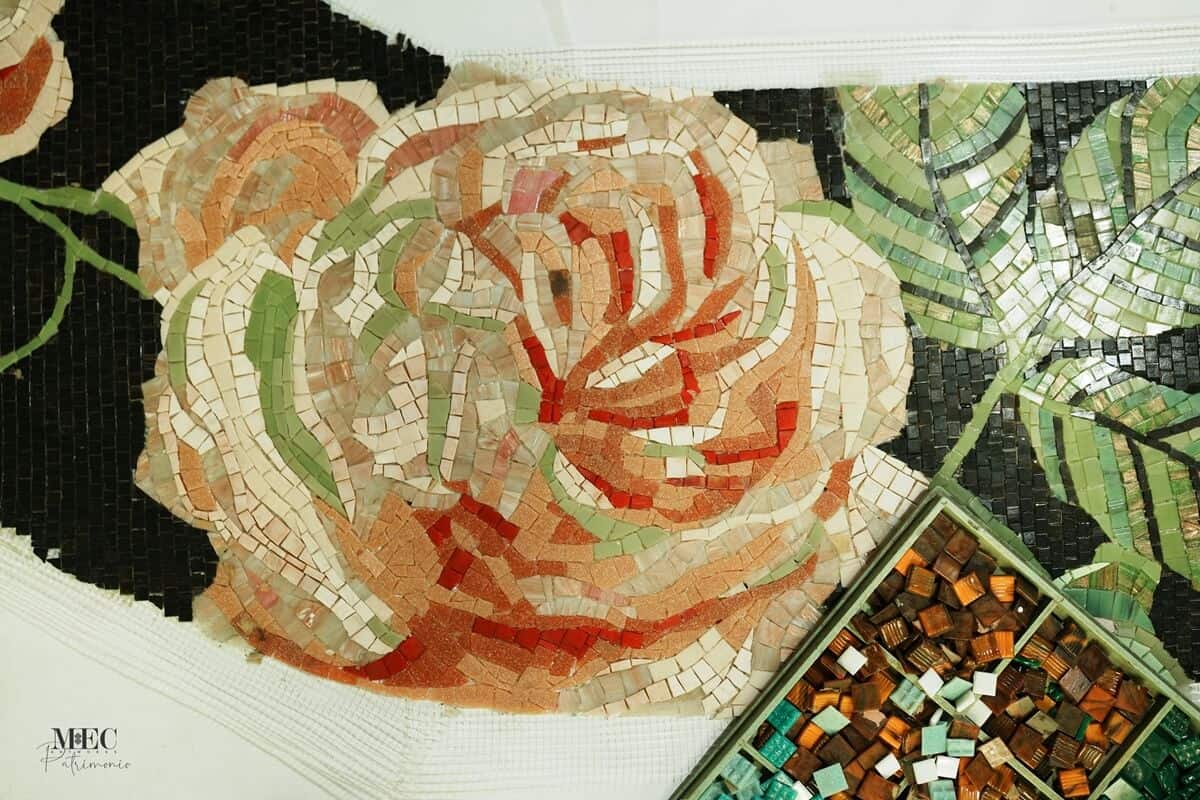
Hand-cut mosaic tiles tell a different story.
At MEC Artworks, we create surfaces that breathe. With over 45 years of experience, our Italian-trained mosaic experts understand what machines can’t replicate: rhythm, not repetition. Subtle variation instead of uniformity. Movement instead of flat alignment.
Our tiles don’t march in straight lines; they respond to form, light, and contour. Edges catch light unevenly. Depth reveals itself as you step back. The eye travels. The composition unfolds. While using premium glass and marble tiles, we meticulously craft each piece by hand. The result isn’t just exceptional quality and durability; it’s art that commands a room, mosaic work that truly lives.
Understanding Andamento in Hand-Cut Mosaic Tiles
Anadamento in mosaic design defines how each hand-cut tessera follows the movement of the form it creates. In Roman mosaics, andamento guided the eye across figures, water, and faces, turning stone into motion. Mosaic tiles behave like brushstrokes, not pixels. So when shaped and placed by hand, lines flow naturally, forms gain depth, and movement feels intentional. This is not decoration. It is visual storytelling.
True andamento flow requires human judgment; adjusting angle, spacing, and direction tile by tile. This is where MEC Artworks’ hand-cut mosaic expertise comes alive, delivering rhythm, intent, and visual depth that machines cannot achieve.
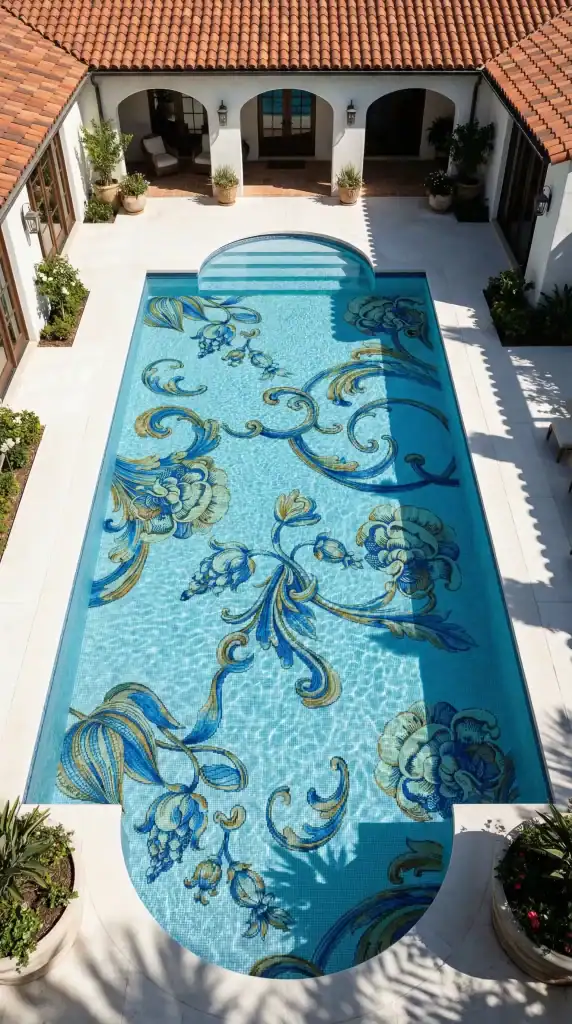
Roman Hand-cut Mosaic Technique: A 2,000-Year Craftsmanship Standard
Built for Permanence
Roman mosaics were cut by hand, set individually, and designed to endure constant use. Longevity was engineered into every decision, from material selection to tile placement. This is why these works survive today not as relics, but as functioning surfaces.
Precision With Purpose
In Roman mosaic work, precision was intentional, not incidental. Every tessera was shaped and placed with awareness of movement, stress, and visual balance. The goal was never speed or repetition, but control, clarity, and lasting structure.
The Tools Behind the Craft of Hand-Cut Mosaic Quality
Hand-cut mosaic quality begins with the tools that shape each tessera. Traditional mosaic work relies on control, judgment, and material awareness, not speed or repetition.
At the center of this craft is the Martellina Hammer. Used for centuries, it fractures stone and smalti with precision, creating edges that bond better, reflect light naturally, and give mosaics depth and character. We use these tools because they produce mosaics with durability, rhythm, and visual richness that machines cannot replicate.
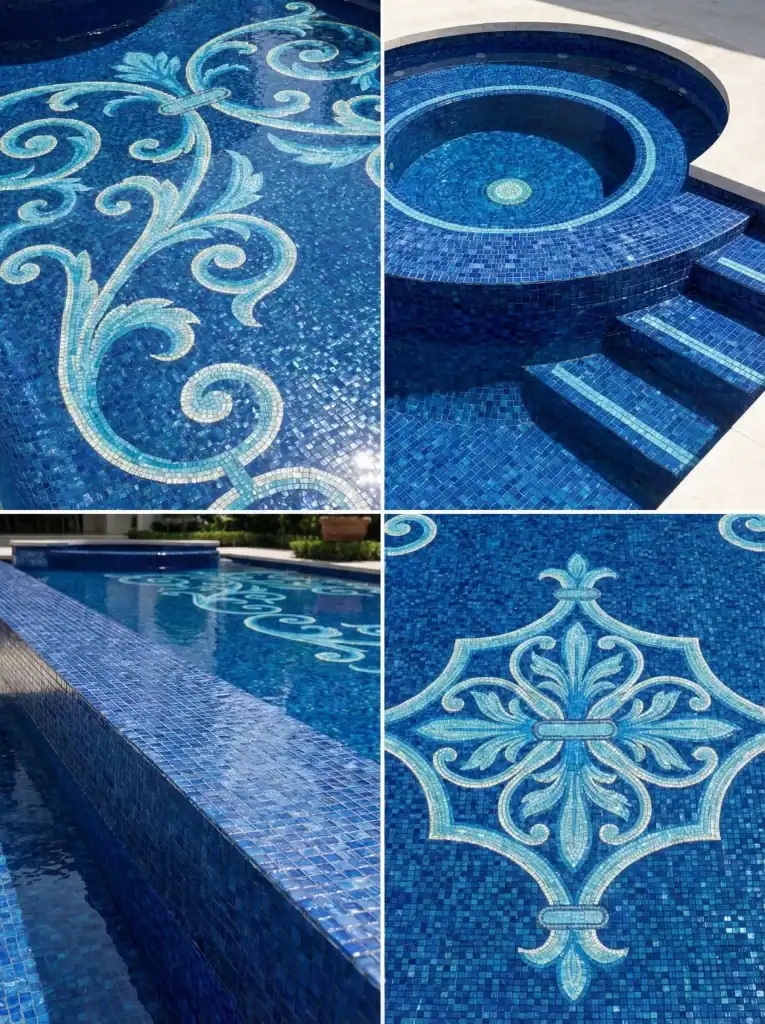

Custom Hand-Cut Mosaic Fabrication for Architectural Design
Robotic mosaics rely on modular grids for speed and uniformity, but grids flatten curves and disrupt natural flow. Escaping the machine grid is what hand-set mosaics do best. They adapt tile by tile, preserving movement and continuity that rigid systems cannot achieve.
The difference is immediate:
- Faces appear softer
- Animals feel dynamic
- Organic forms flow naturally
- Gradients transition without visual breaks
At MEC Artworks, each mosaic section is composed individually, not assembled from sheets. The result? Depth, rhythm, and character machines cannot replicate.
Heirloom Quality in Hand-Cut Mosaic Art
At MEC Artworks, we believe true craftsmanship is measured over time, not at installation. That belief guides every decision we make, from material selection to placement. Hand-cut architectural mosaic art quality allows our work to adapt to movement, bond securely, and age with character rather than degrade.
Because each tessera is shaped and set by hand, our mosaics outlast machine-made art. Subtle variations absorb stress, preserve structure, and enhance visual depth as the surface matures.
For us, mosaics are not finished. They are long-term architectural elements, created to endure use, environment, and decades of change with grace.
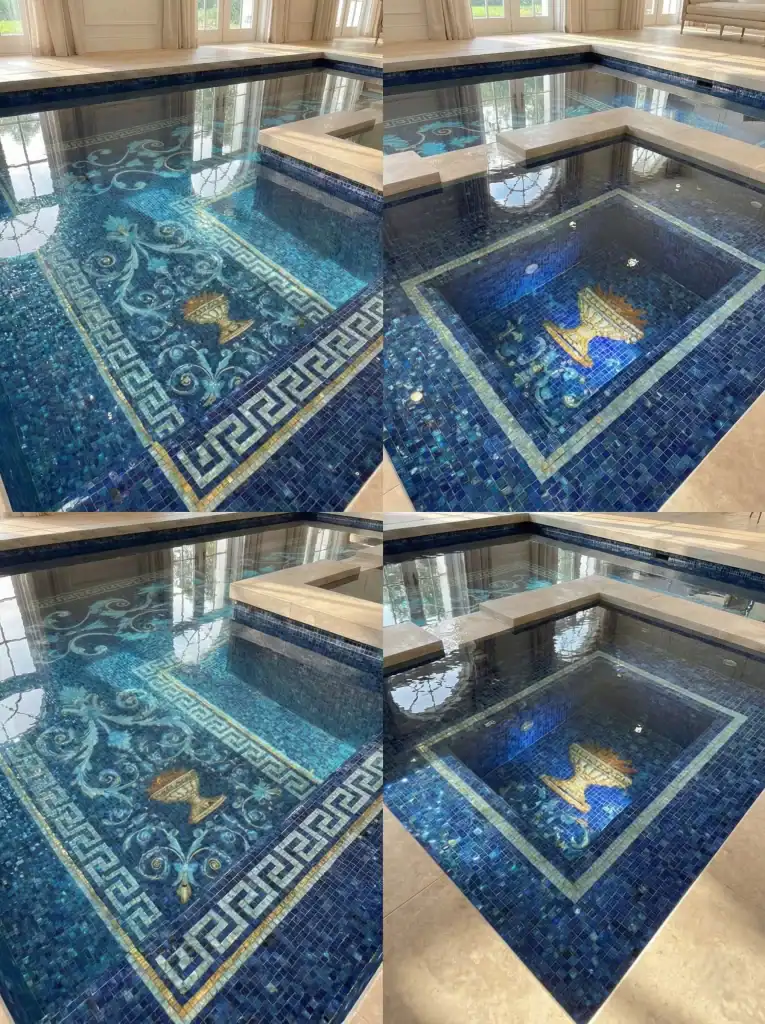
Why Robotic Mosaic Placement Cannot Replace Hand-Cut Mosaic Craftsmanship
Algorithms follow rules. Artists Respond to Context.
Where algorithms and machines follow rules, Artists respond to material, light, and context. Mosaic art requires judgment, not repetition. We respect what technology can do, but it has limits. At MEC Artworks, human insight and intent are what give mosaics life.
FAQs
What is the main difference between hand-cut mosaics and machine-made mosaics?
The difference lies in intention and adaptability. Machine-made mosaics rely on grids and repetition, which creates uniform but static surfaces. Hand-cut mosaics are shaped and placed tile by tile, allowing for movement, depth, and visual rhythm that machines cannot achieve.
Why does andamento matter in hand-cut mosaic design?
Andamento controls how tiles flow across a surface. In hand-cut mosaics, it guides the eye naturally through forms, curves, and transitions. This directional flow creates movement and visual storytelling, something rigid machine placement cannot replicate.
Are hand-cut mosaics more durable than machine-made mosaics?
Yes. Hand-cut mosaic quality allows tiles to distribute stress naturally and bond more securely to substrates. This flexibility helps hand-cut mosaics outlast machine-made art, especially in architectural and high-traffic applications.
Why does MEC Artworks avoid mosaic grids and sheets?
Grids flatten curves and interrupt flow. At MEC Artworks, we compose each section individually to preserve movement, shading, and organic form. This approach ensures mosaics feel alive rather than mechanical or blocky.
Is hand-cut mosaic art suitable for modern architectural projects?
Absolutely. While rooted in Roman technique, hand-cut mosaics integrate seamlessly into contemporary architecture. They offer precision, durability, and artistic depth that elevate modern spaces beyond decorative finishes.