
Sustainable mosaic art is growing fast. People still want beautiful designs, but they also now ask about the origin of the materials. Traditional mosaics are not always the best choice for this. Ceramic and marble need heavy mining. They also need very high heat and a long production time. As a result, they use a lot of energy and harm the environment. Because of this, many people want mosaic options that are gentler on the planet.
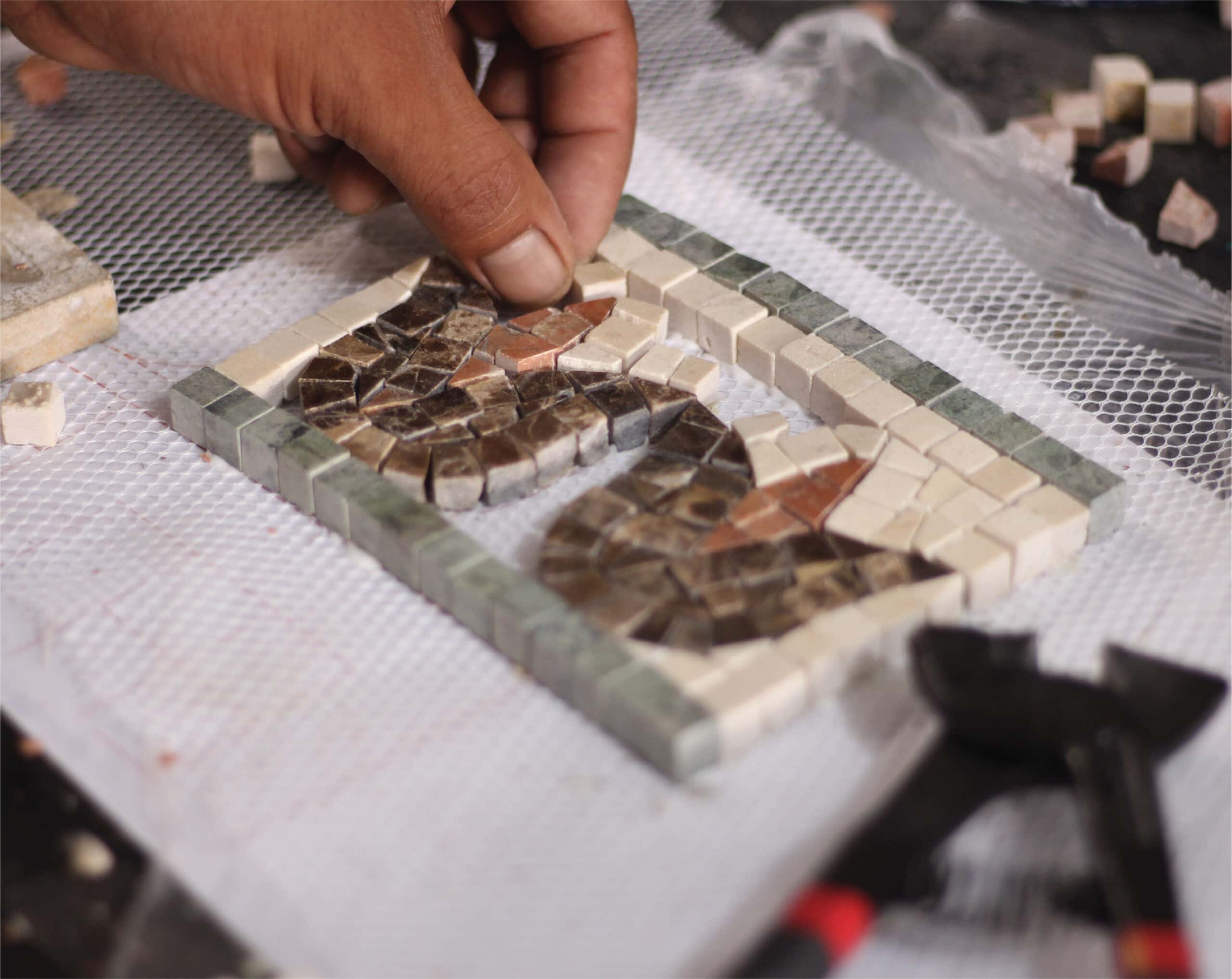
Here, eco-friendly mosaics fix this problem. Artists use recycled glass, broken tiles, old hardware, beads, and other discarded items. These materials reduce waste and save natural resources. They also cut down pollution. And the best part? Recycled pieces often look brighter, more fun, and full of character. Each mosaic feels unique and handmade. Moreover, green mosaic art installations allow you to create something beautiful while taking care of the environment.
Table of Contents
What Are Sustainable Mosaics? Understanding Eco-Friendly Art
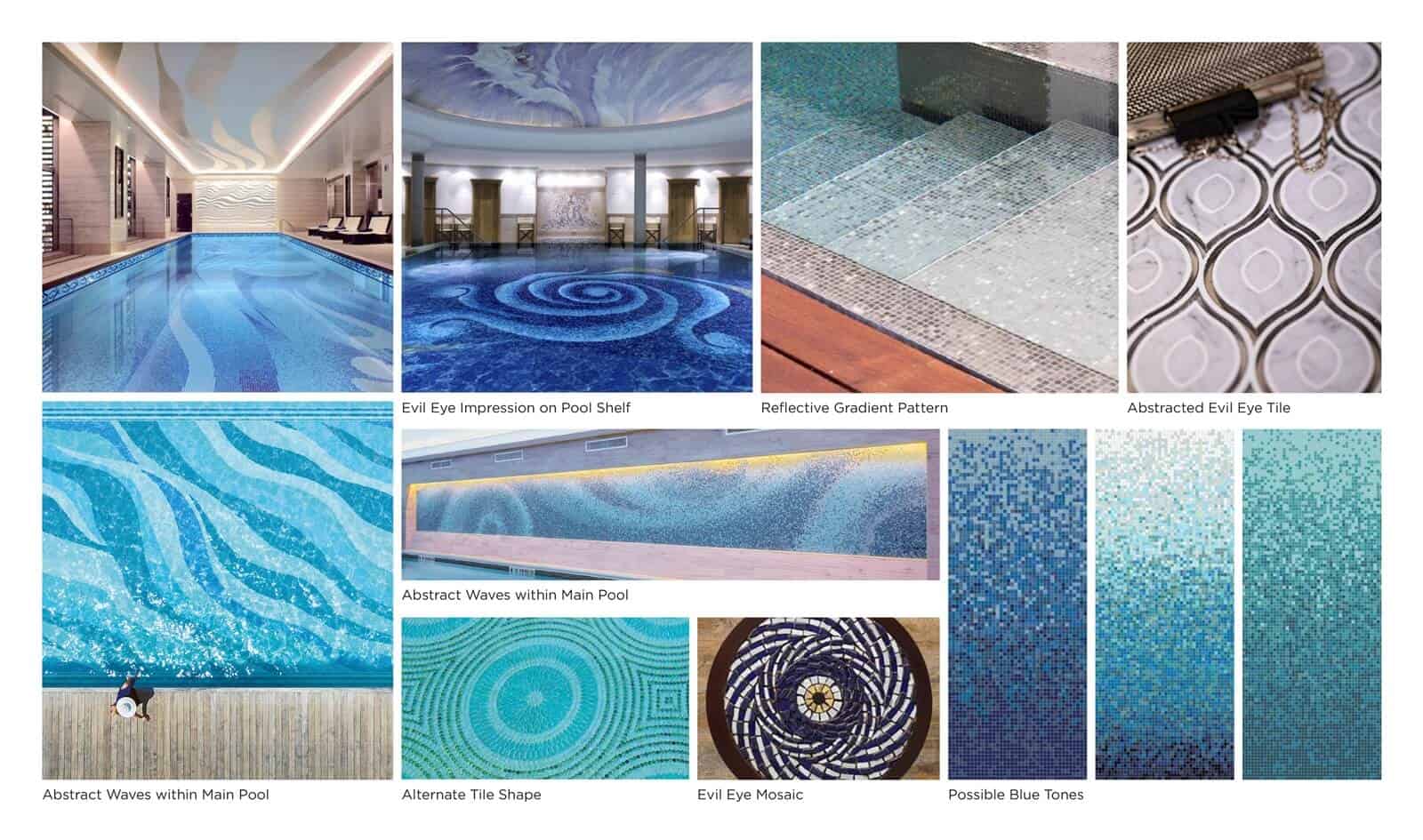
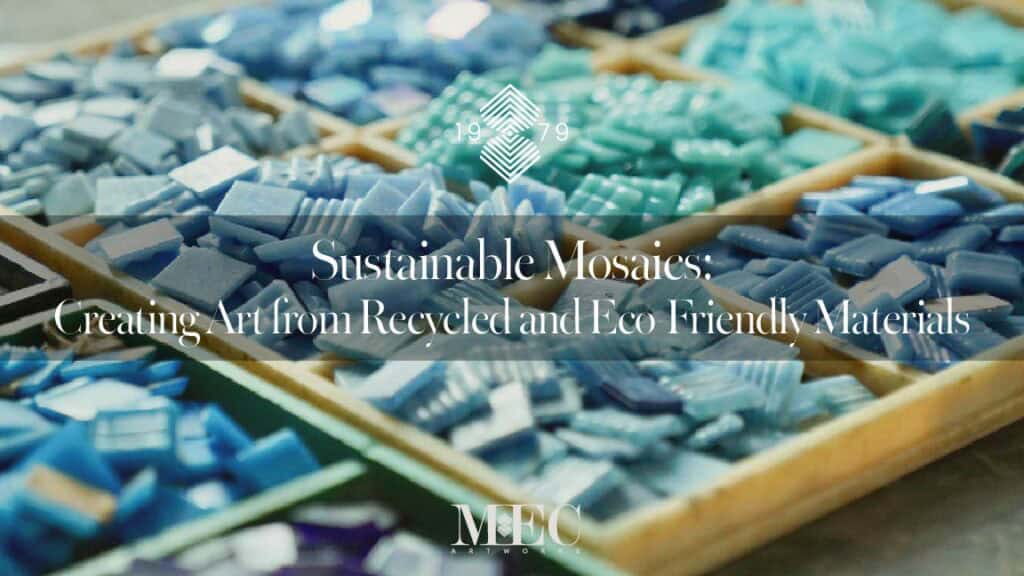
Sustainable mosaics are just a fancy name for art made from old stuff and trash. You know how people usually buy new tiles or cut up expensive marble? Well, this is different. You use things that already exist instead. Later on, these existing things are used in tiny pieces to create something big. Here are some things designers use in their mosaic art:
- Glass from old bottles works really well. Some artists even use stained glass windows that were thrown out. Factories throw away glass scraps, too.
- Broken tiles are perfect for this. Got an old plate that cracked? Use it. Chipped bowls from your kitchen? Those work too.
- You can use metal pieces, paper, or even plastic bits. Bottle caps are actually pretty cool in mosaics. So are old keys, beads, and other small things you might toss in the trash.
- Stuff from nature is great. Smooth pebbles from the beach. Seashells you collected. Even bamboo pieces.
What We Do at MEC Artworks
We think art should not hurt the planet. Our designers and artists work right here with us. They make sure we only use sustainable mosaic materials that are good for the environment.
At MEC Artworks, we want to make art that makes people happy and fulfills their vision. But we also want to take care of the Earth and its natural inhabitants at the same time. So we only use sustainable mosaic materials that are already here instead of making more waste.
Sustainable Mosaic vs. Traditional Mosaic: Choosing the Right Option
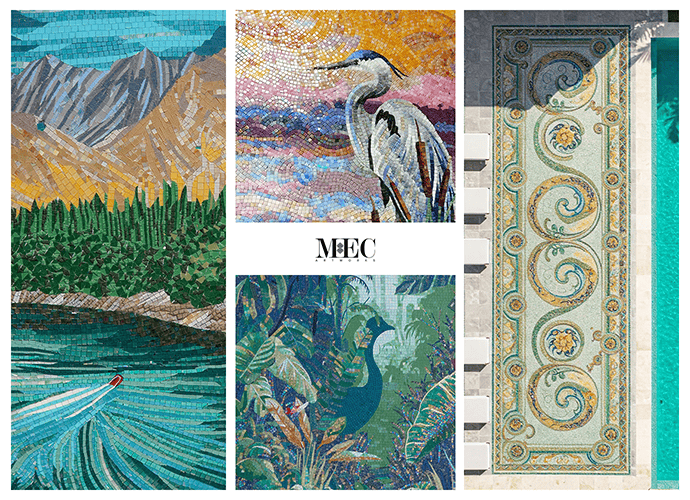
Here’s a simple comparison table of sustainable mosaic vs. traditional mosaics to help you pick the best option for your next mosaic project.
| Sustainable Mosaic | Traditional Mosaic |
| Uses recycled glass, broken tiles, and leftover natural and industrial materials. | Uses new materials like ceramic, marble, and fresh glass. |
| Reduces mining and saves natural resources. | Needs mining, cutting, and high-heat production. |
| Keep waste out by reusing old pieces. | Creates more waste during manufacturing. |
| Has a lower carbon footprint with less energy use. | Has a higher carbon footprint due to heavy energy use. |
| More room for unique textures, shapes, and colors. | Tiles often look uniform and factory-perfect. |
| More affordable because low-cost materials are reused. | It can be more expensive due to production costs. |
| Focuses on traditional techniques only. | Encourages creativity with mixed and unconventional materials. |
| Design results look polished but predictable. | Offers one-of-a-kind, artistic, and meaningful designs. |
Benefits of Creating Sustainable Mosaic Art
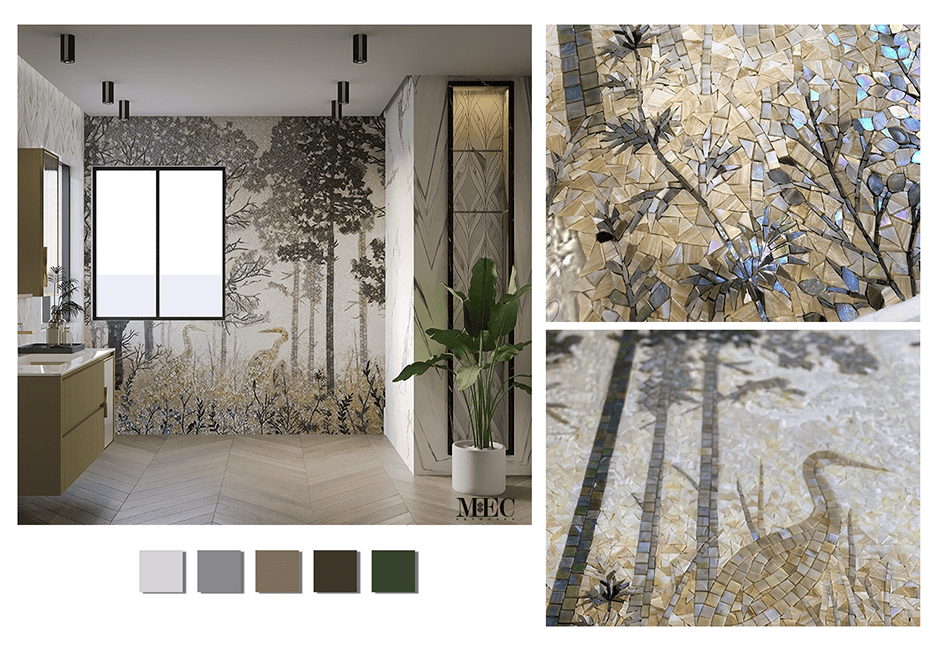
Nowadays, sustainable mosaic art changes the whole story. By using recycled materials, artists reduce the demand for new resources. This helps save energy, natural resources and cuts down on pollution. It also keeps waste out of land, giving old pieces a bright new life.
Another great benefit of sustainable mosaic tile is cost. A lot of recycled pieces don’t cost much. Sometimes they’re totally free. You can find them in old warehouses where they store leftover stuff. Construction sites throw away broken tiles all the time. So you get to make something amazing without spending a lot.
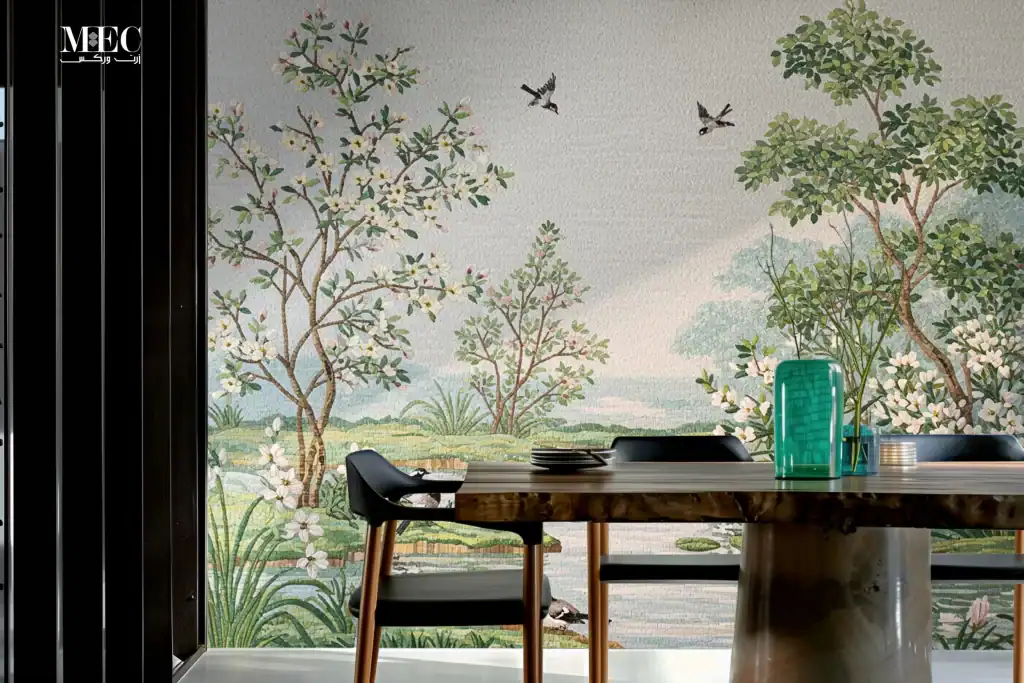
Additionally, the colors and textures are different, too. Factory tiles all look the same. But recycled pieces? Each mosaic design is unique. One might be shiny. Another might be rough. They have different shapes and colors. Your sustainable mosaic ends up looking handmade and unique because it actually is.
But the best part is you can do whatever you want. Mix old glass with new tiles. Put rough stones next to smooth ones. Use bright colors or keep it soft. Nobody tells you the right way to do it. You just try new things and see what looks good. Because taking random scraps and turning them into something new is a part of modern art creation.
The Environmental Impact of Traditional Mosaic Materials
Whereas traditional mosaic materials may look simple, but making them is not. Tiles, ceramics, and glass come from natural resources taken straight from the earth. Clay needs to be mined. Marble and stone require heavy cutting through different machines. Moreover, the manufacturing of glass requires extremely high heat. All these steps use a lot of fuel, electricity, and gas. They also release carbon into the air, which adds to pollution.
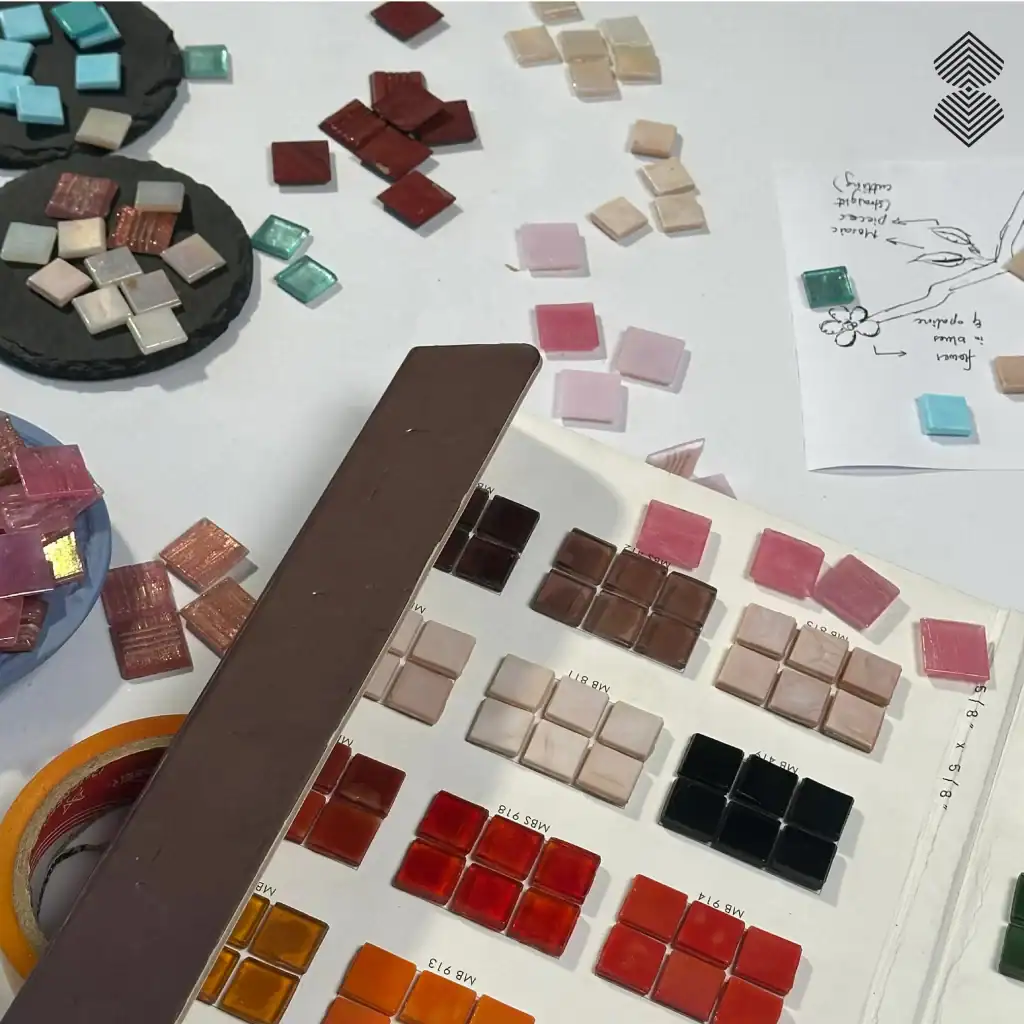
In fact, through much research, it has been found that factories throw away tons of scraps that never get used. Many broken tiles end up in landfills, where they sit forever. They don’t decompose. And all the packaging and shipping add up to.
Eco-Friendly Adhesives and Grouts for Green Mosaics
When you’re trying to make a truly eco-friendly mosaic, the tiles are only half the story. The glue and grout matter just as much. Many people don’t think about this part, but you will be surprised by knowing their impact. Some traditional flooring releases chemicals into the air, and some grouts leave behind waste that takes years to break down. So choosing greener options feels like a small step, but it makes a big difference in your sustainable mosaic art.
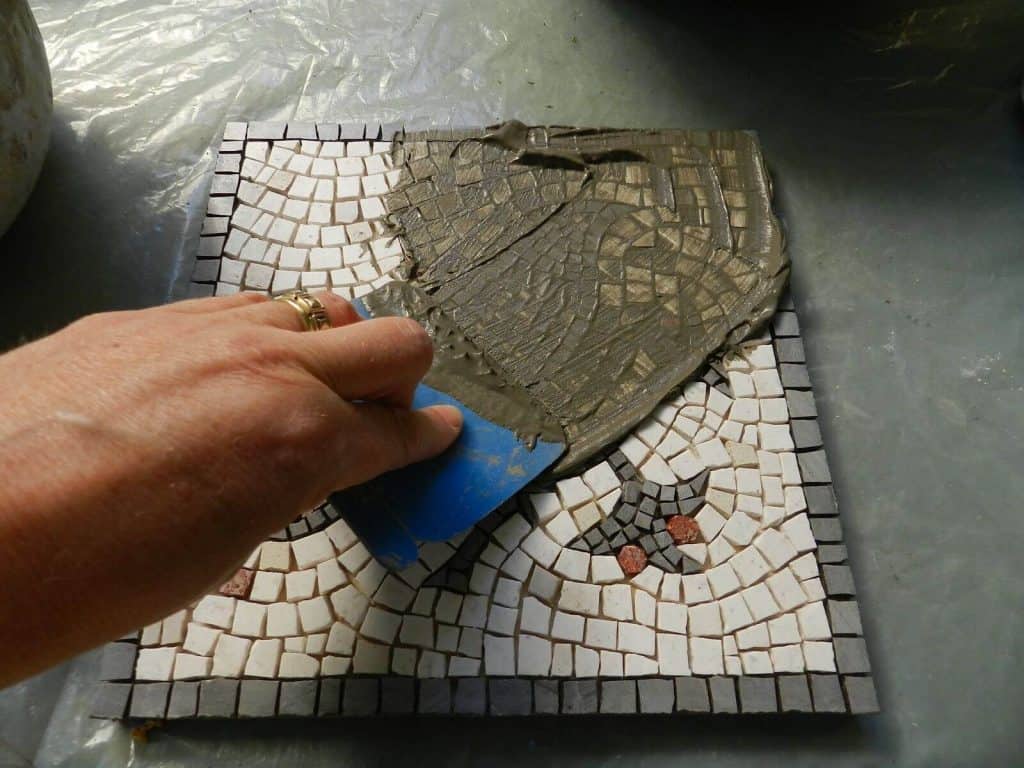
For instance:
- Water-based adhesives are simple, safe, and perfect for indoor sustainable mosaic tile projects. They don’t smell strongly and dry fast.
- Natural cement alternatives use fewer chemicals and rely on earth-friendly materials. They bond tiles well and work for outdoor mosaic projects.
- Plant-based glues made from starch, resin, or natural gums are gentle and biodegradable. They’re great for light mosaic work or kids’ art projects.
- Low-VOC grouts release fewer harmful fumes and keep your indoor air healthier.
- Natural sand mixes blend sand, clay, or lime, which makes them strong but much kinder to the environment.
- Eco-friendly sealants protect your mosaic without adding harsh chemicals.
These options reduce waste and lower pollution compared to heavy industrial grout products.
Essential Recycled Materials for Mosaics

Here’s a quick look at the recycled pieces we love using at MEC Artworks to make our sustainable mosaics feel extra special.
- Recycled Glass Materials
Glass is one of the easiest and most versatile materials you can reuse for recycled mosaic art. In a recycled glass mosaic, you can work with broken soda bottles that come in so many color tones. Clear, plain glass jars are also great because you can paint the back and create your own colors. Old mirrors and window glass are useful too. Mirrors with fading silver give a vintage shine, and window glass reflects light in a clean, gentle way.
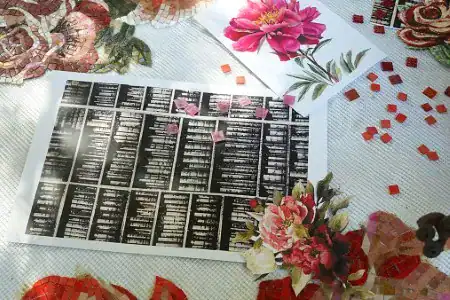
One thing that makes recycled glass special is that no heavy machines are needed. Everything is cut and shaped by hand. This gives each piece a natural, handmade feel. Beach glass is another lovely option. These pieces are already smooth because waves have shaped them for years. Their soft, frosted look brings a peaceful, coastal style to any mosaic.
- Ceramic and Porcelain Sources
Broken plates and tiles are gold for mosaic work. Thrift stores sell chipped dishes for almost nothing, and they come in all kinds of colors and patterns. Vintage plates with flowers or bold designs make good focal points. The curved parts of bowls add dimension if you angle them right. Hardware stores usually have clearance sections too, full of damaged or discontinued tiles going cheaply.
- Alternative Sustainable Materials
Sustainable mosaic tile artwork isn’t just about recycled glass. Natural stones from riverbeds or gardens feel earthy. Reclaimed metal, like old keys or coins, looks industrial, and copper gets a nice patina over time. Even old CDs work. Cut them up, and they throw rainbow reflections everywhere. Seashells, driftwood, and weathered wood from old fences give mosaics a coastal or rustic feel. Bottle caps add quick pops of color. Just use what’s already around.
Creative Sustainable Mosaic Project Ideas
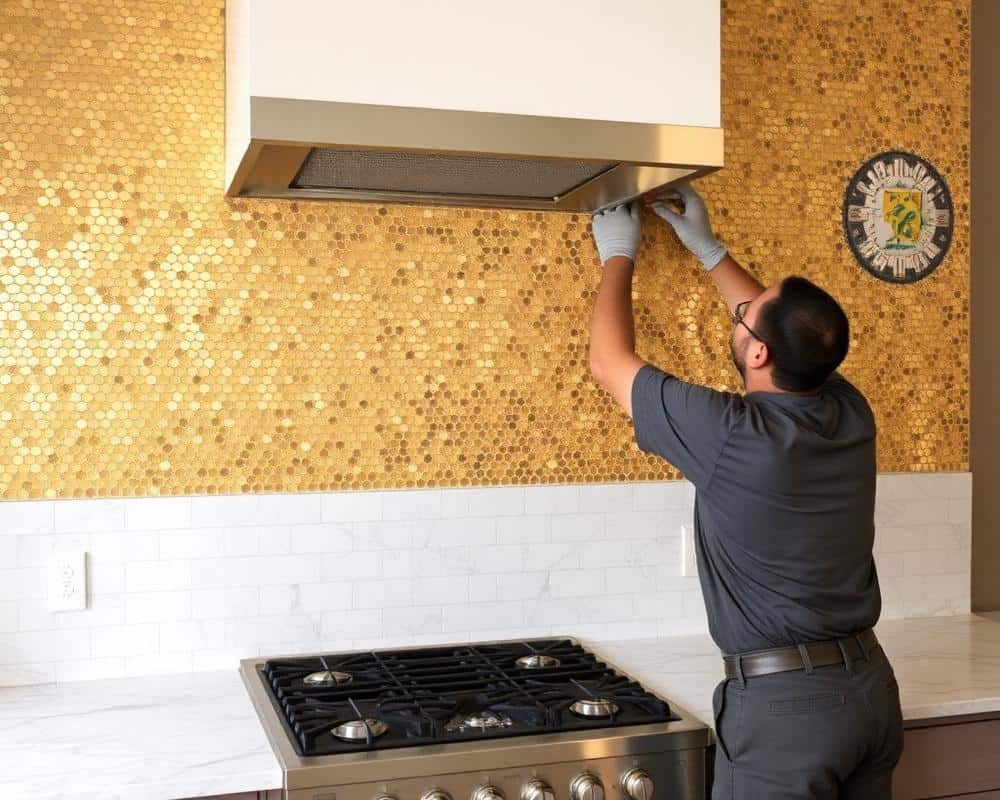
Many mosaic artists and studios, such as MEC Artworks, are now using sustainable mosaic materials. It lasts, looks great, and it’s way better for the planet. Additionally, it gives each mosaic a unique feel and reduces waste. Some eco-friendly mosaic project ideas are:
Indoor Projects:
Indoor projects are perfect when you want to try eco-friendly mosaic art design for the first time.
You can start small and still make something that looks special:
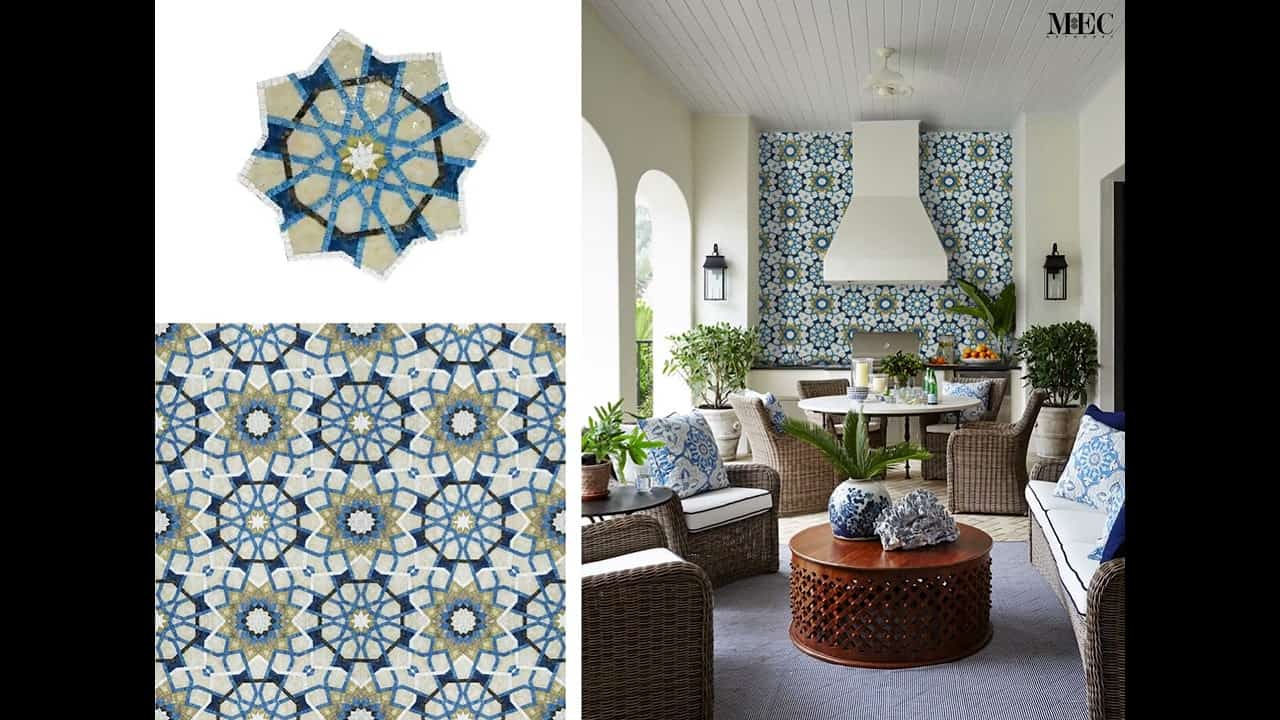
- Kitchen feature walls are made with broken tiles or recycled glass, creating a bright, handmade look.
- Floor mosaics using mixed tile pieces to create a warm, welcoming pattern.
- Stair borders are decorated with small tiles for a clean, artistic touch.
- Mosaic “rugs” are made from flat tiles to look like a carpet, but last much longer.
- Small kitchen mirrors or panels with an easy mosaic border to add a bit of charm.
Outdoor Garden Mosaics:
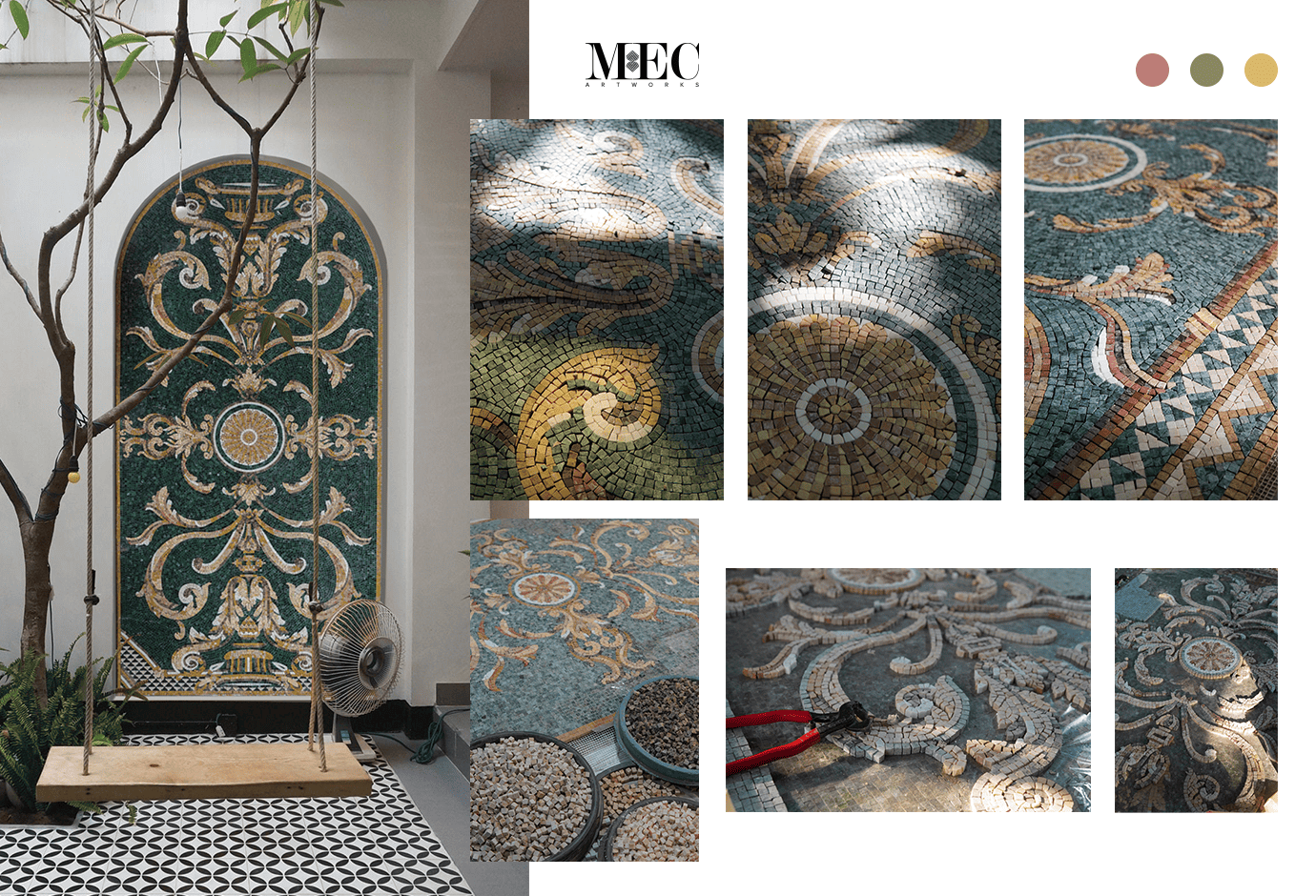
Outdoor needs tougher sustainable mosaic tile materials, but they can transform a simple garden:
- Stepping stones made with leftover tiles or pebbles brighten up garden paths.
- Garden markers with mosaic names for your herbs and flowers.
- Birdbaths with a soft, sparkling look, tastefully decorated with recycled glass mosaic.
- Patio tables topped with a strong, sealed mosaic design.
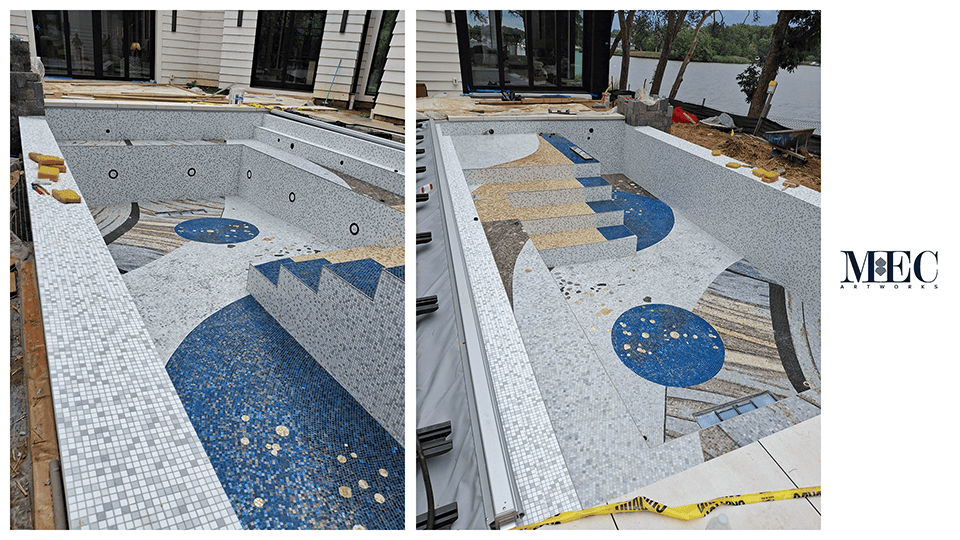
- Pool borders or small pool accents in hand-cut tiles create a fresh, colored touch.
Functional Art Pieces:
Sustainable mosaic tile can also be part of your daily life:
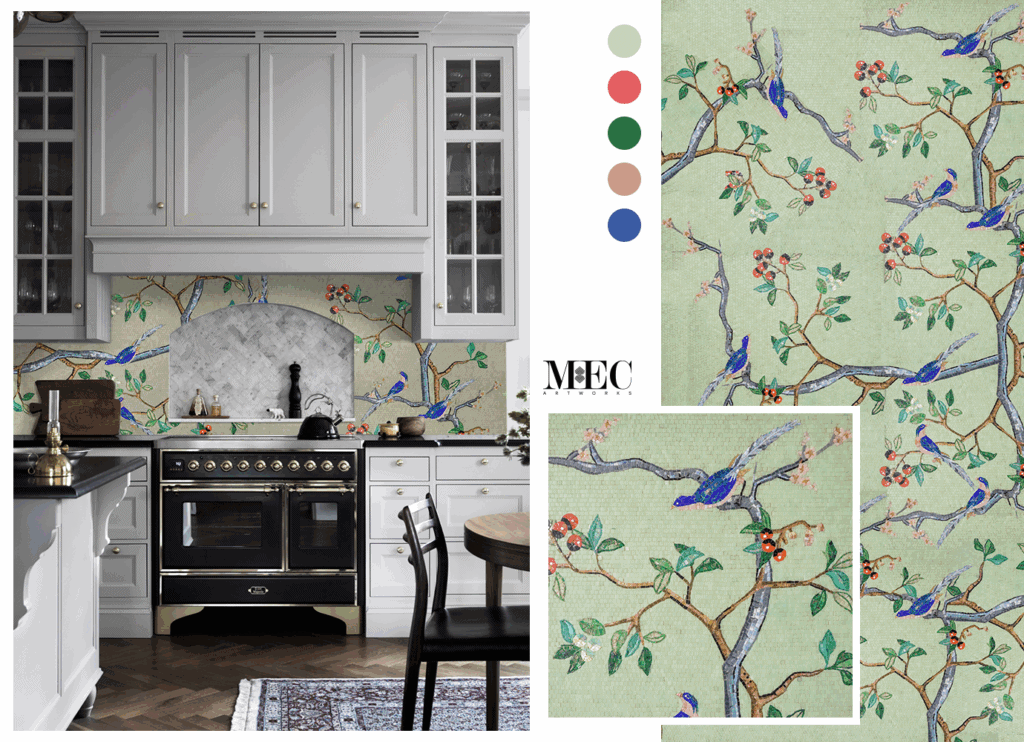
- Kitchen backsplashes are made from recycled glass or ceramic.
- Bathroom borders around mirrors or along walls.
- Old furniture, like stools or tables, is given a new mosaic surface.
Community and Public Art Projects:
You can find sustainable mosaic art in lots of places now. Schools put them up to teach kids about art. Community centers use them to show kids how recycling works. Sometimes a whole group will make a big mural together. Or they make a bench where everyone adds a few pieces. Then you step back and see the whole thing finished.
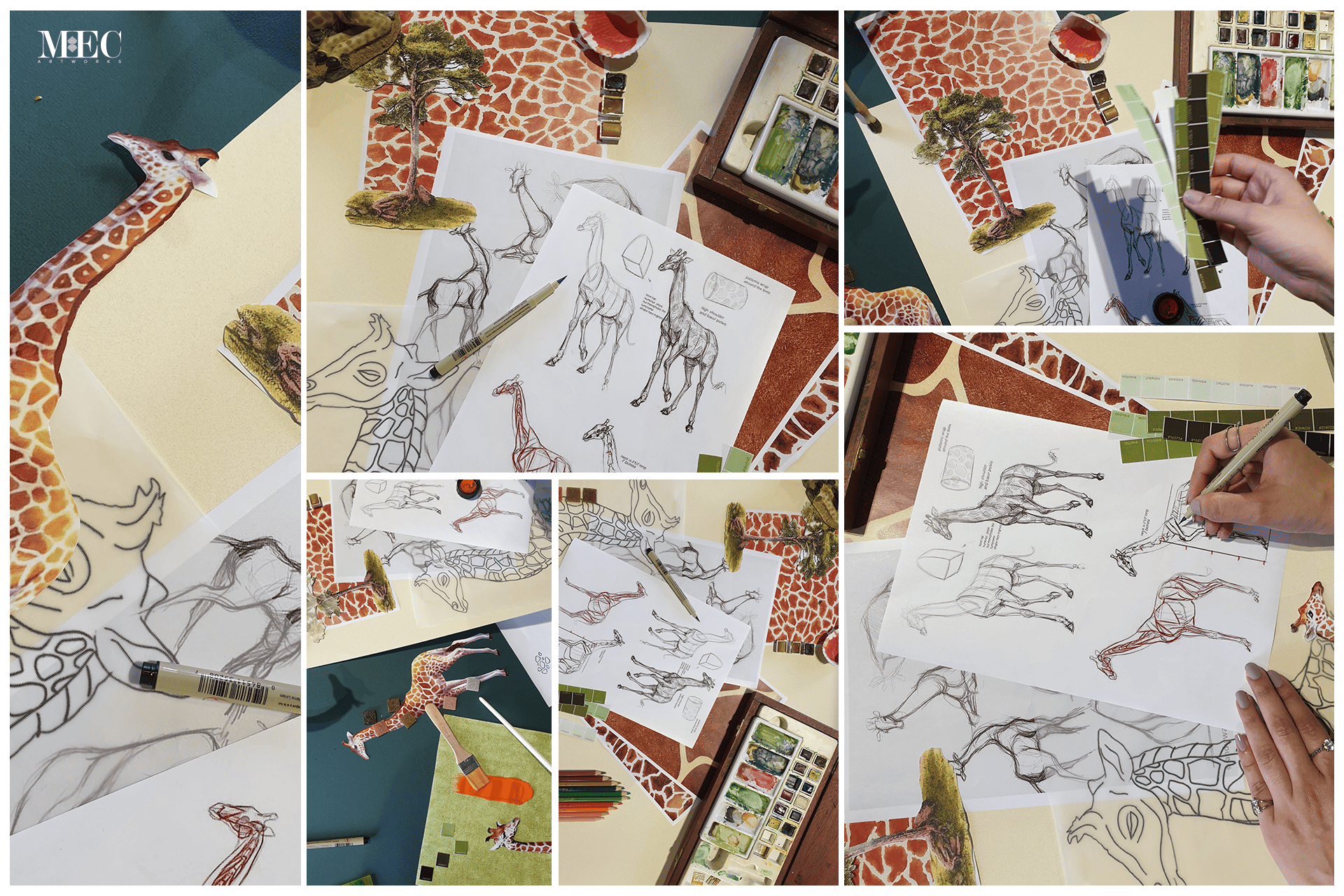
Commercial businesses started doing this, too. Walk into some hotels and you’ll see recycled mosaics on the walls. Coffee shops have them too. Sustainable mosaic art makes the place look interesting without being boring. Shopping malls put them in the lobby. Beach resorts add them near the chairs and tables. It makes the space look nice without wasting a bunch of new materials.
The Future of Sustainable Mosaic Art
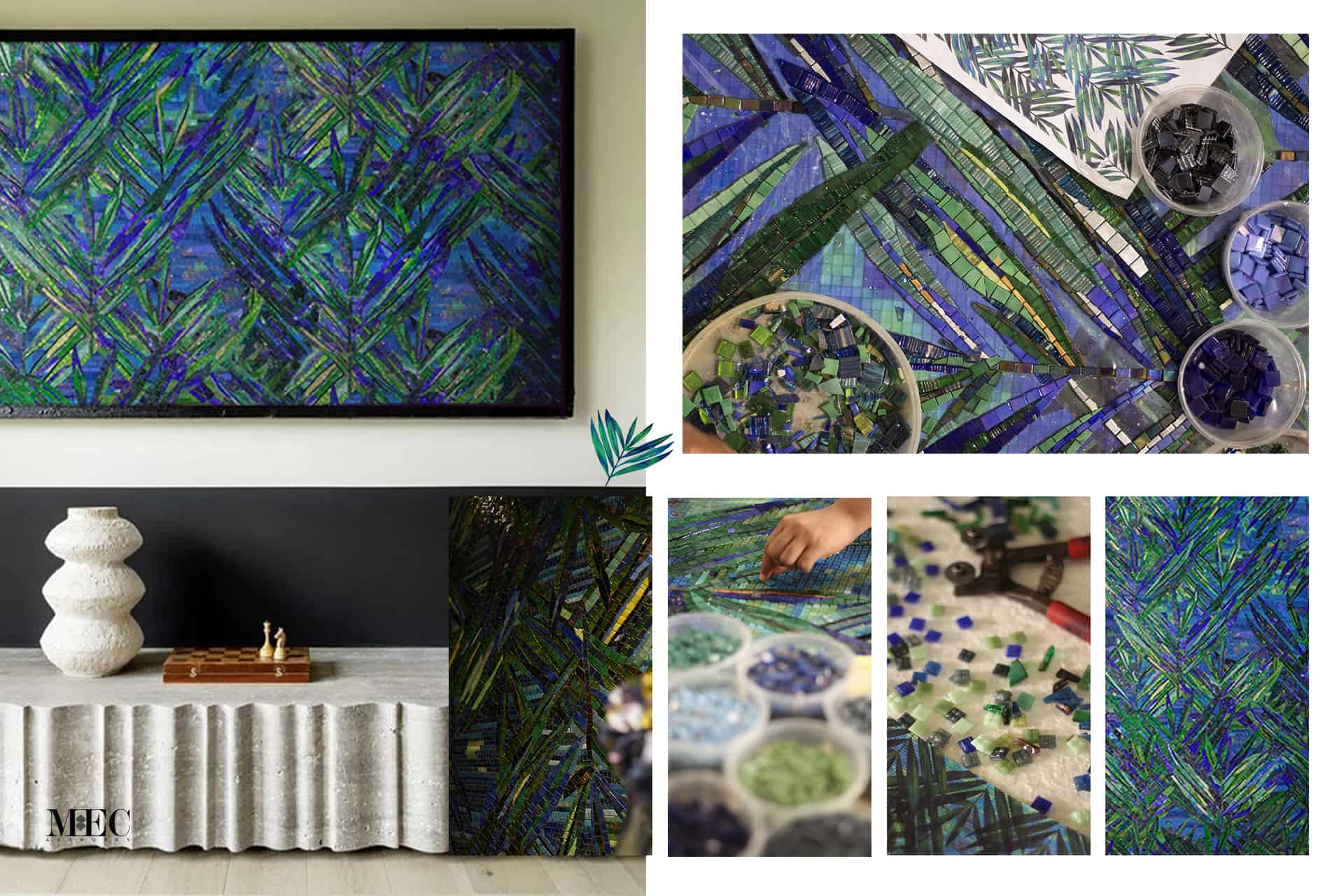
Sustainable mosaic art is growing fast, and more artists are choosing recycled materials over new ones. People want designs that look beautiful but also protect the planet. Many artists now mix broken tiles, beach glass, old ceramics, and even scrap metal in their work. These new ideas make each piece feel personal and full of character.
More studios are using sustainable mosaic tile materials now. MEC Artworks is one of them. We work with recycled glass and leftover ceramics. We cut pieces by hand instead of using factory tiles. Moreover, each year, we try to use less new material and keep more waste out of landfills. We know it’s not always easy, but we’re getting better at it.
Conclusion
The best thing about sustainable mosaic art is how simple and creative they are. You’re giving old materials a second life instead of throwing them away. Things like chipped dishes, worn-out tiles, and broken glass can turn into colorful patterns that look even better than new ones. Before you go shopping for supplies, just look around your home. You’ll be surprised how many “useless” items can become perfect sustainable mosaic tile pieces.
FAQ’s
What can I use to make mosaics from recycled stuff?
Lots of things work great. Broken tiles are perfect. Old glass bottles that you would throw away can become art. Chipped plates from your kitchen are useful too. You can also use mirrors, beads, metal pieces, seashells, and small rocks. At MEC Artworks, we use these same things all the time. They help us make really interesting pieces.
Will my recycled mosaic last a long time?
Yes, it will. You just need good glue and grout to hold everything together. Then seal it properly at the end. We do this at MEC Artworks, and our pieces last just as long as mosaics made from new marble or ceramic tiles.
Can I try making a mosaic at home?
You sure can. You only need a few basic tools and some safety glasses. Then, just gather up broken pieces you already have around the house. This is exactly how we think about it at MEC. Take what you have and turn it into something new and pretty.
Why should I make mosaics with recycled materials?
There are a few good reasons. It helps the planet because you reuse things instead of throwing them away. It saves you money because you use what you already have. And the best part is that each piece tells a story. Your artwork becomes more interesting because of where the pieces came from. We really care about this at MEC Artworks.
Does MEC Artworks actually use recycled materials?
We do. Our team works with used glass, old ceramics, and metal scraps all the time. When clients come to us, we always talk to them about using recycled options. We think it makes the art better and helps the environment at the same time.